Cart
0
80% Also Added this
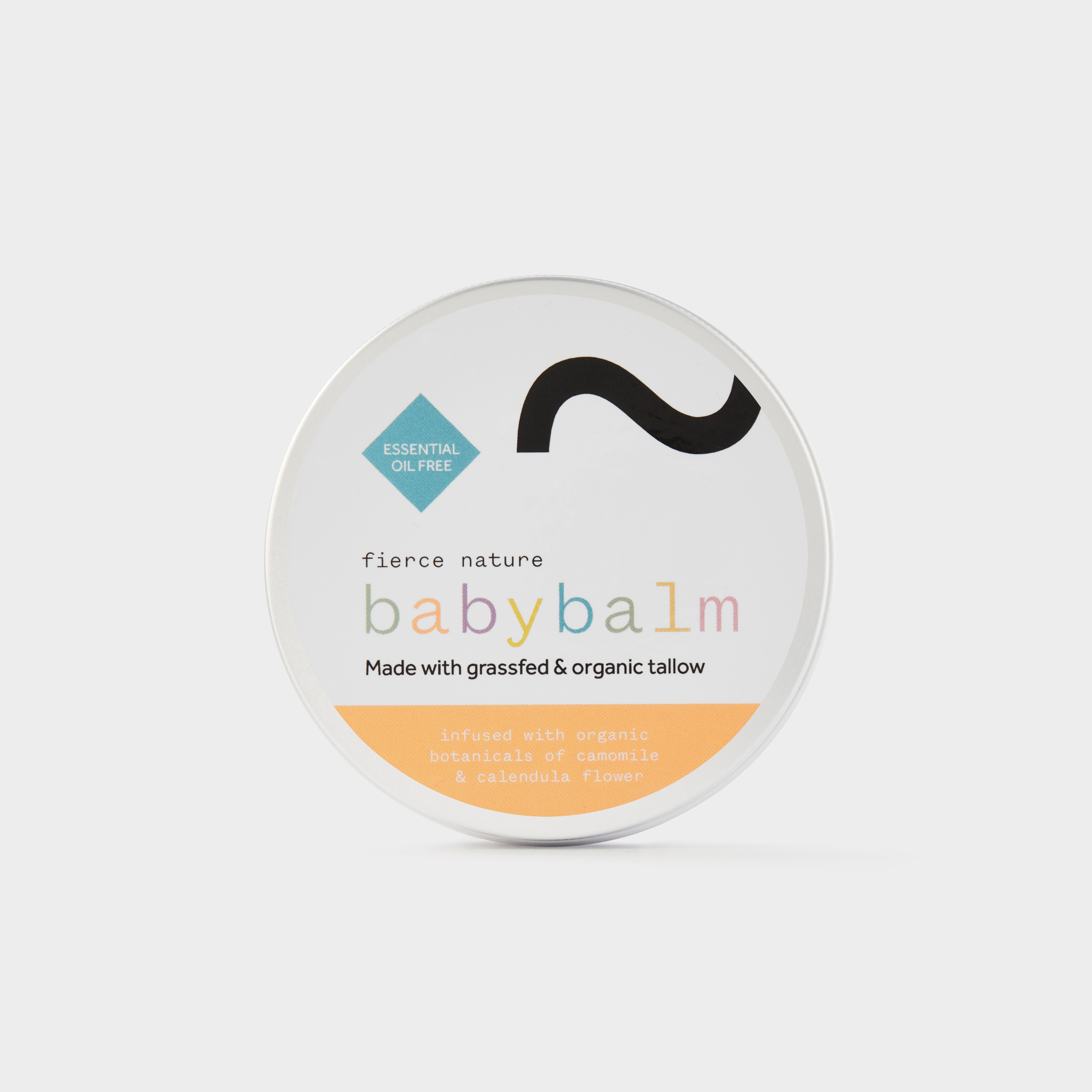
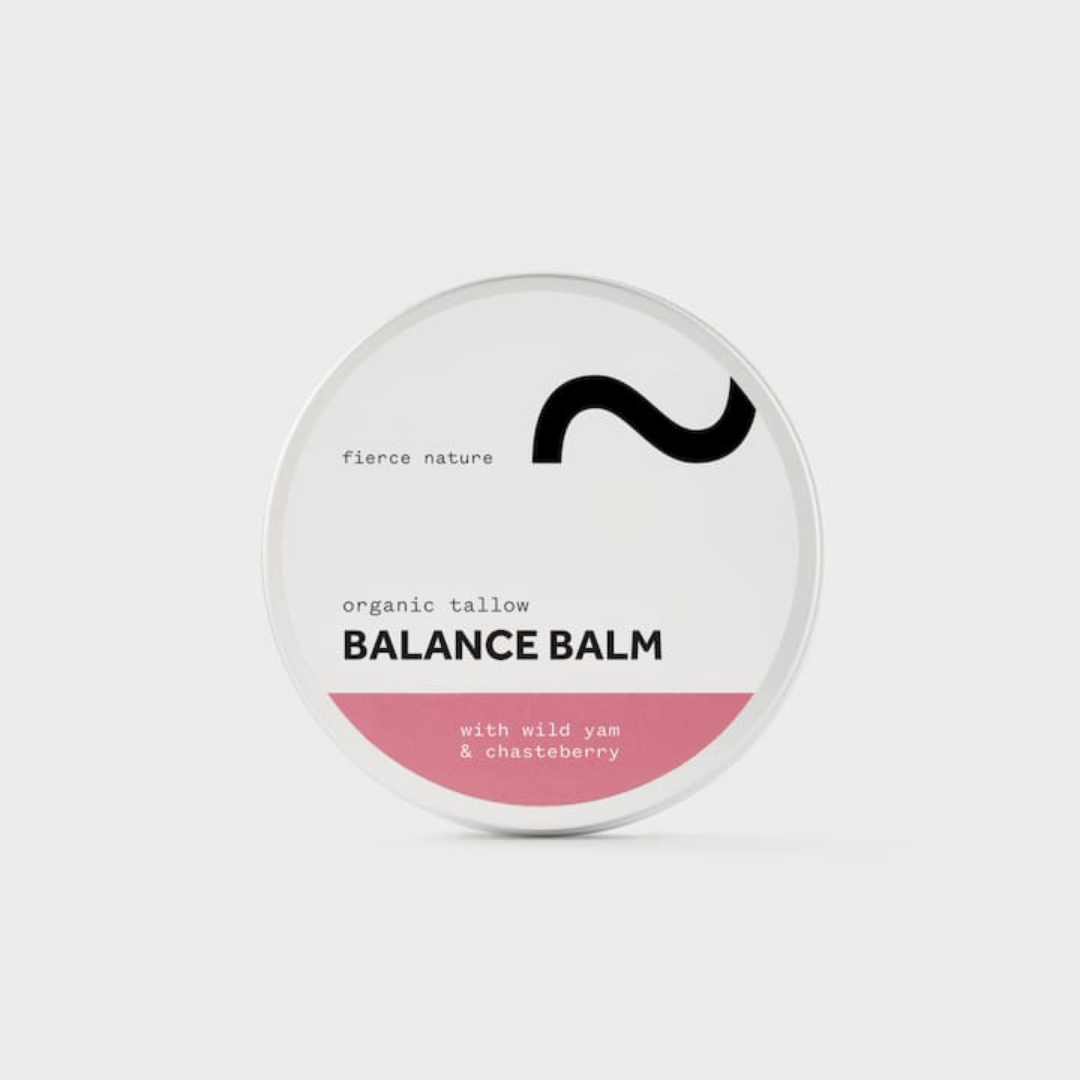
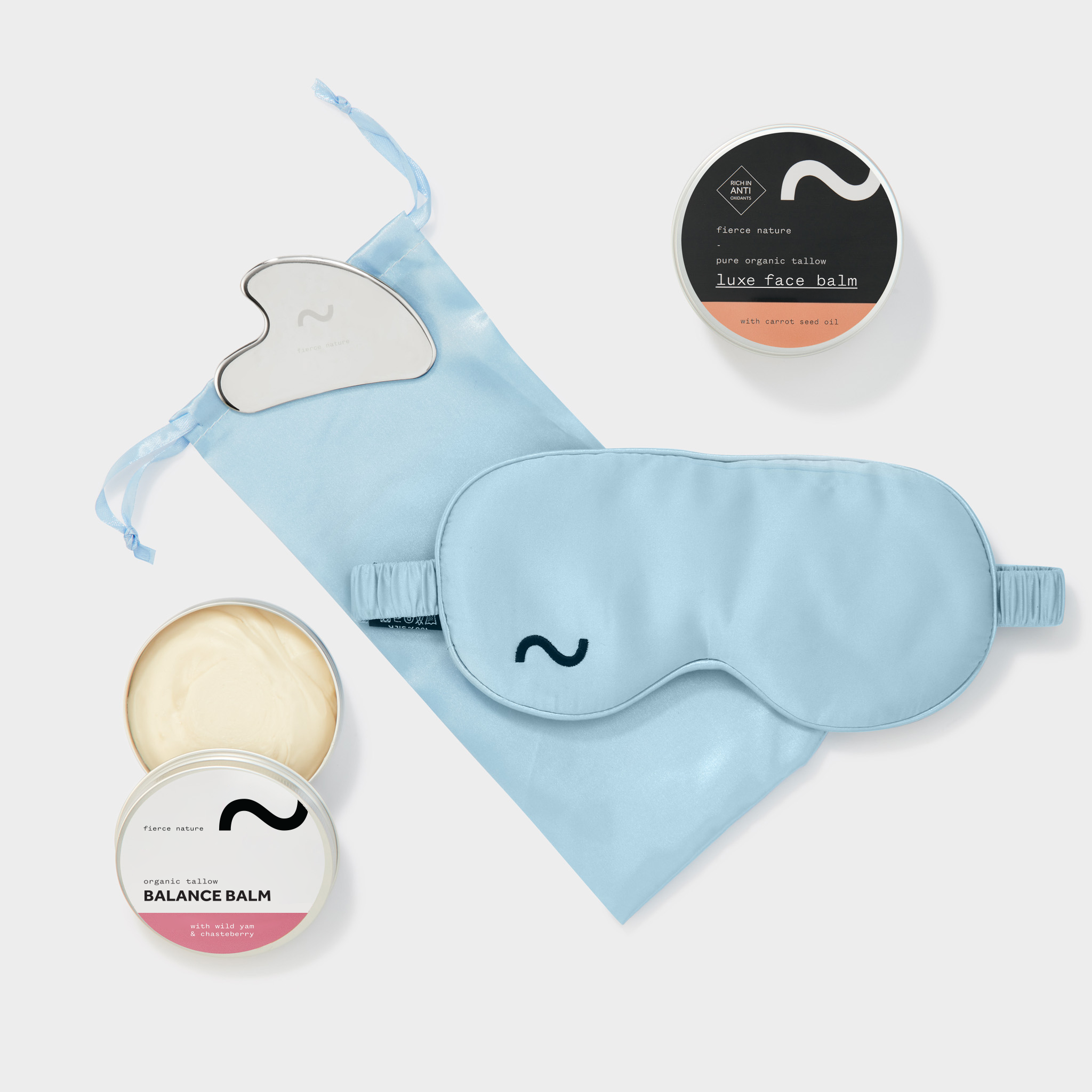
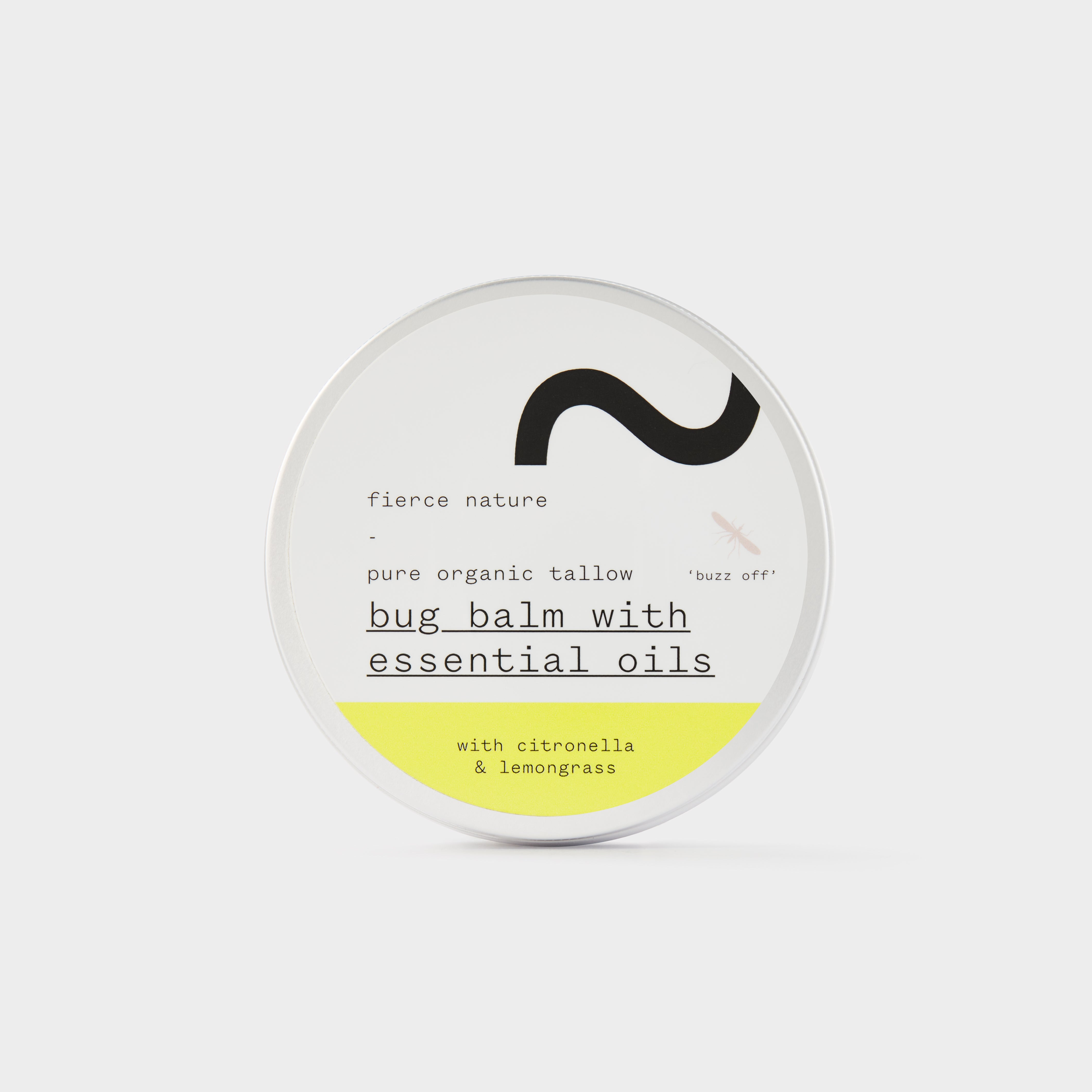

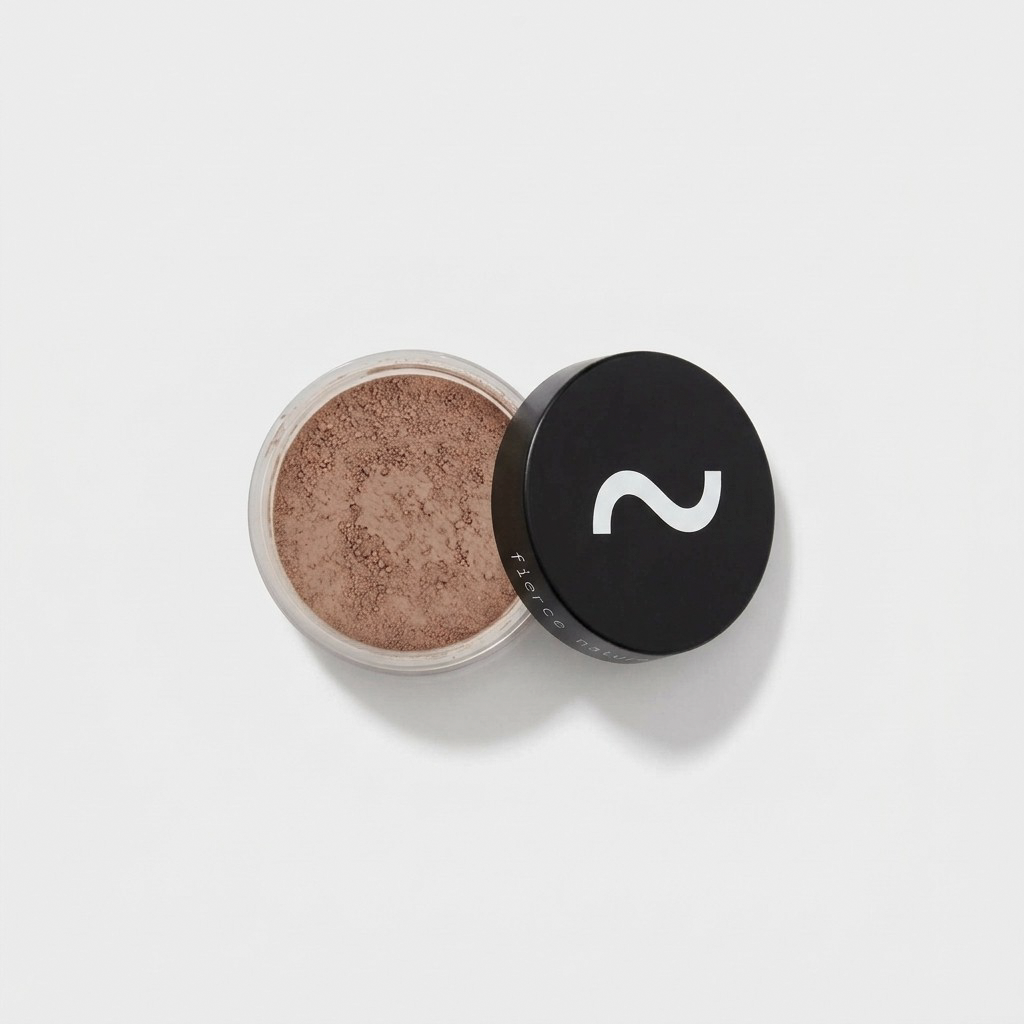
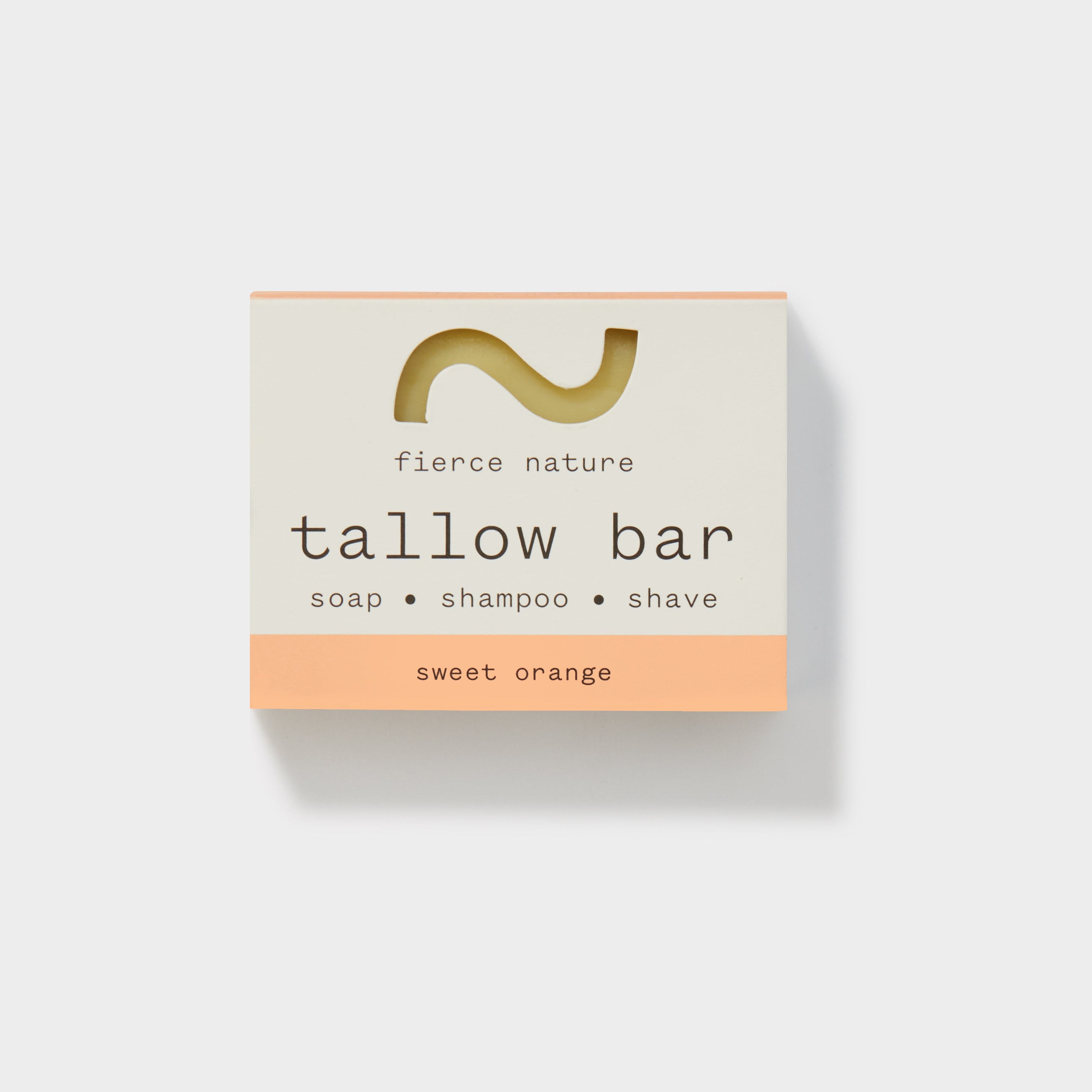
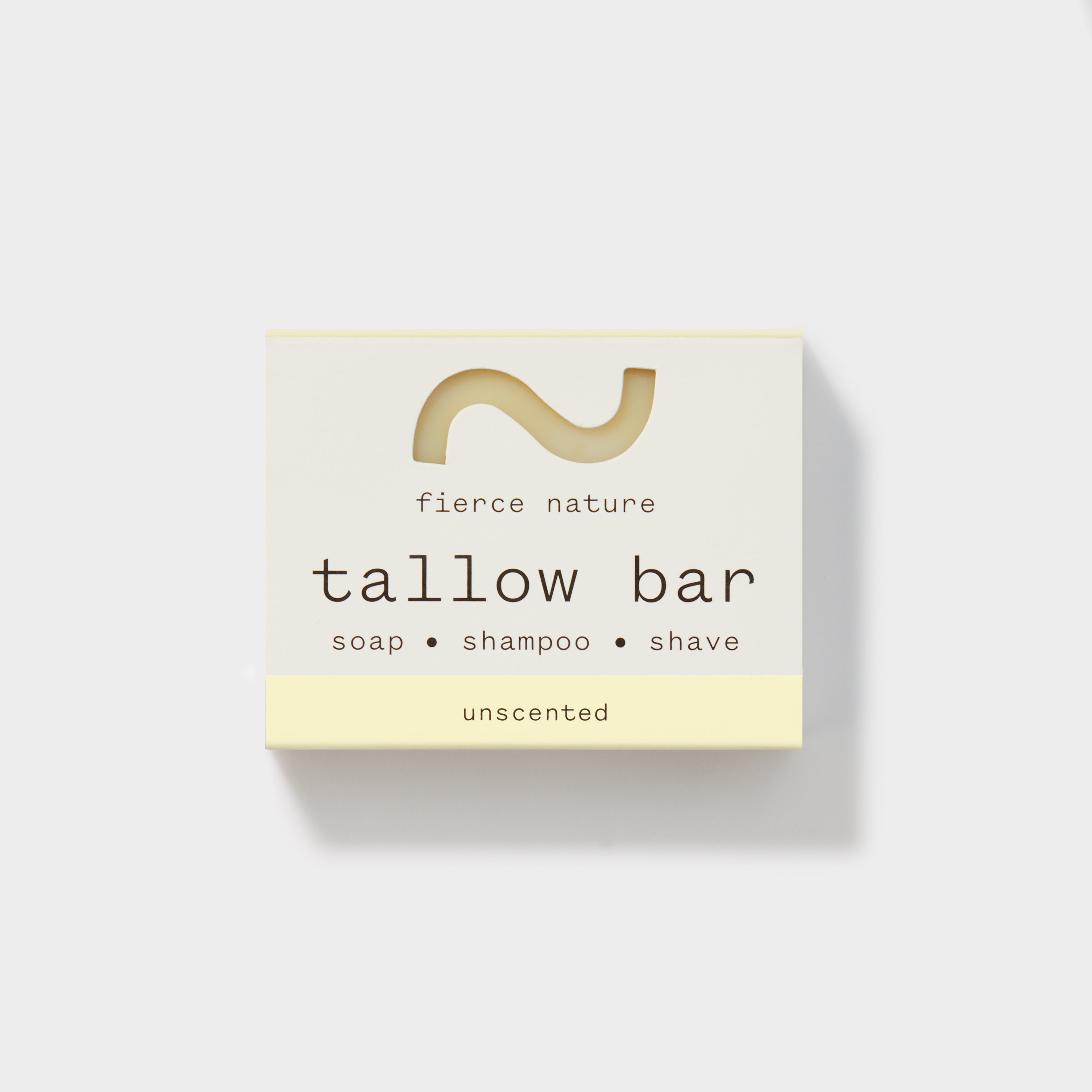
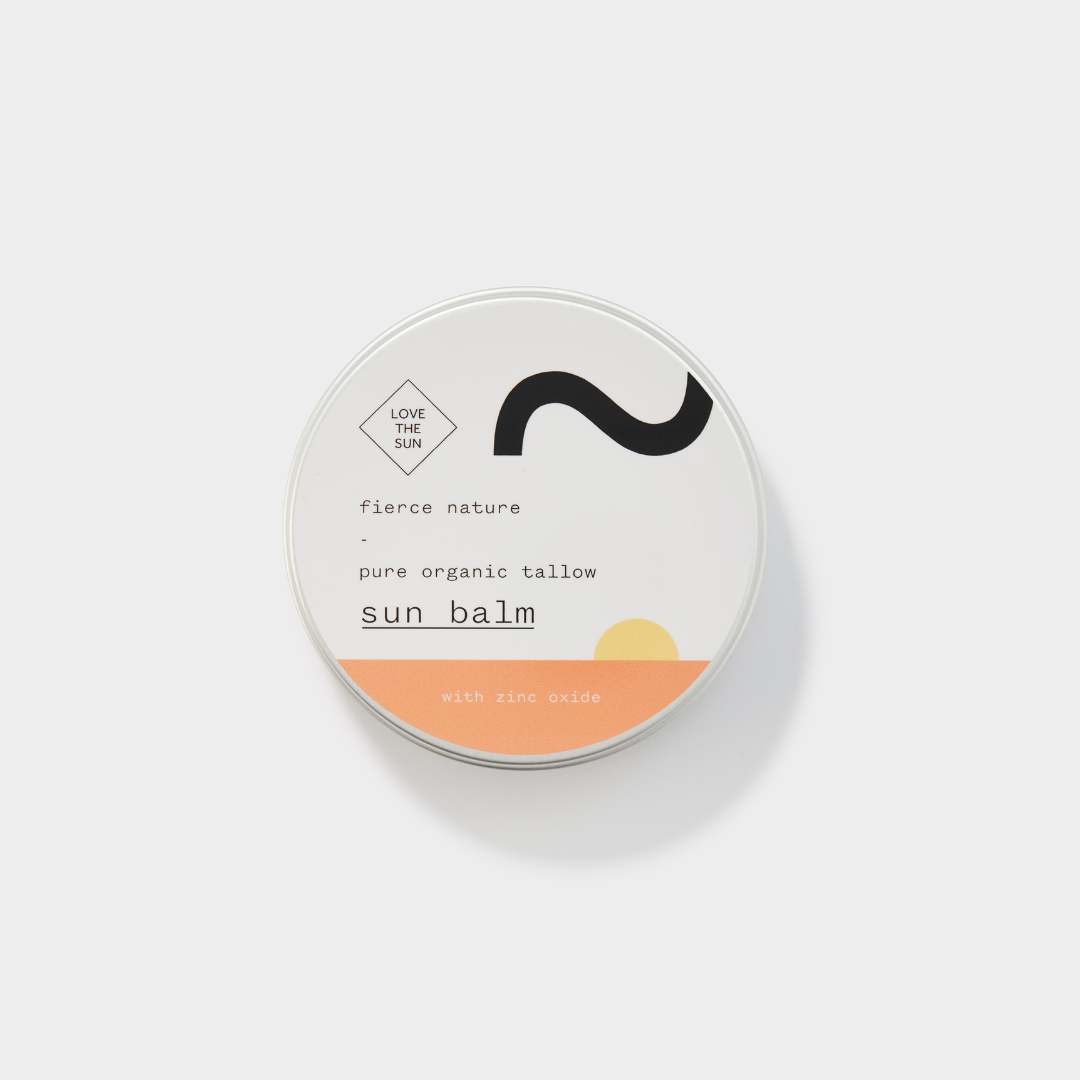
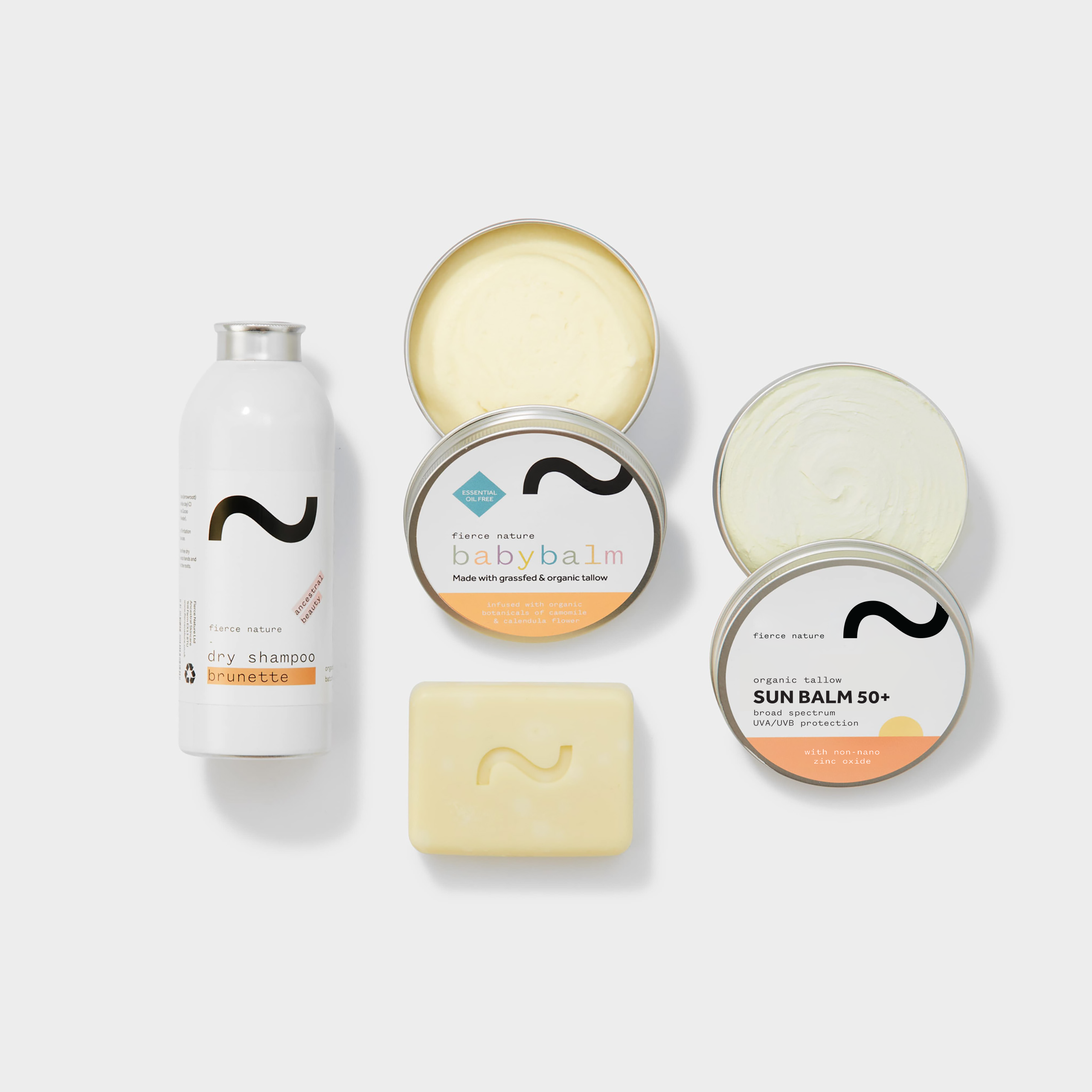
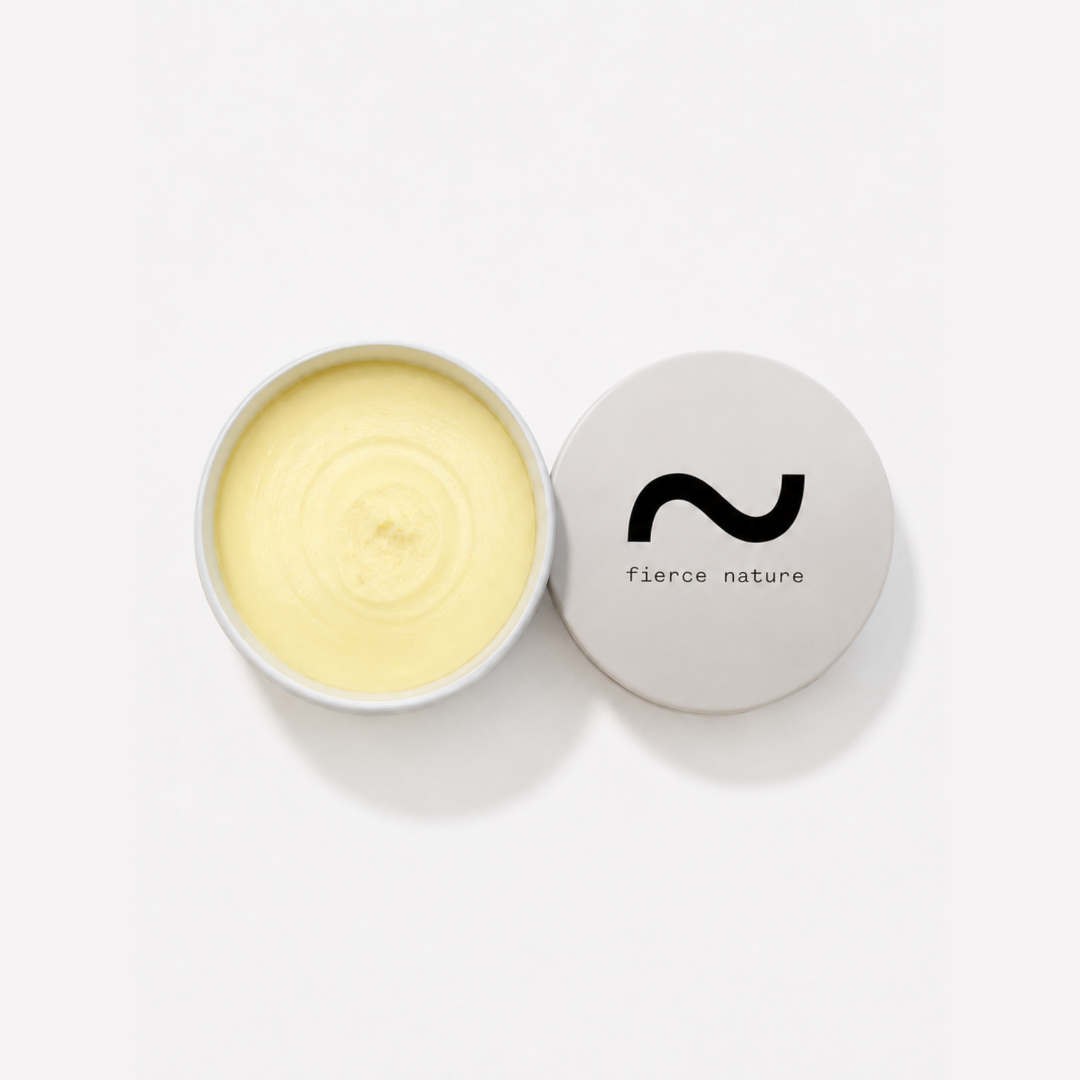
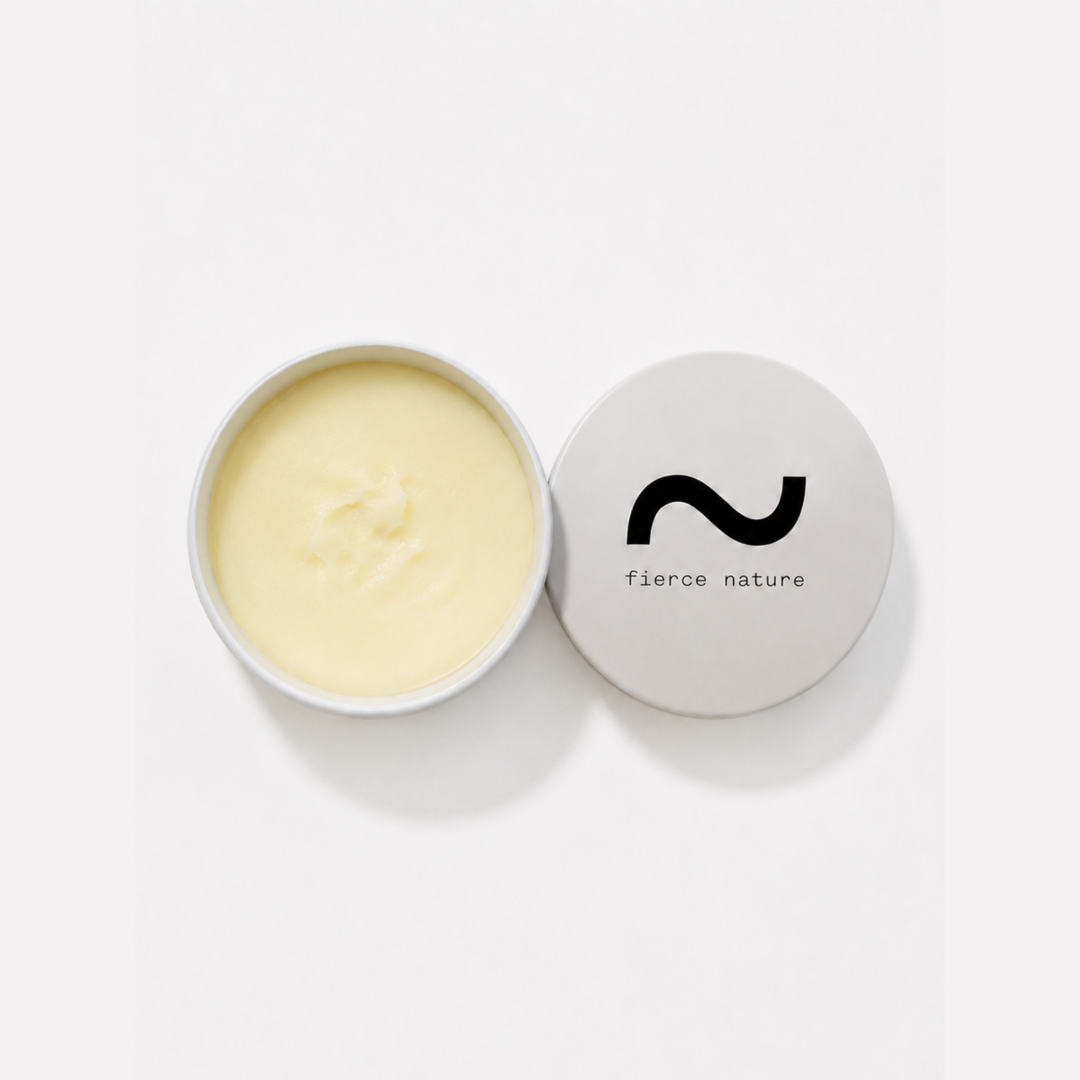
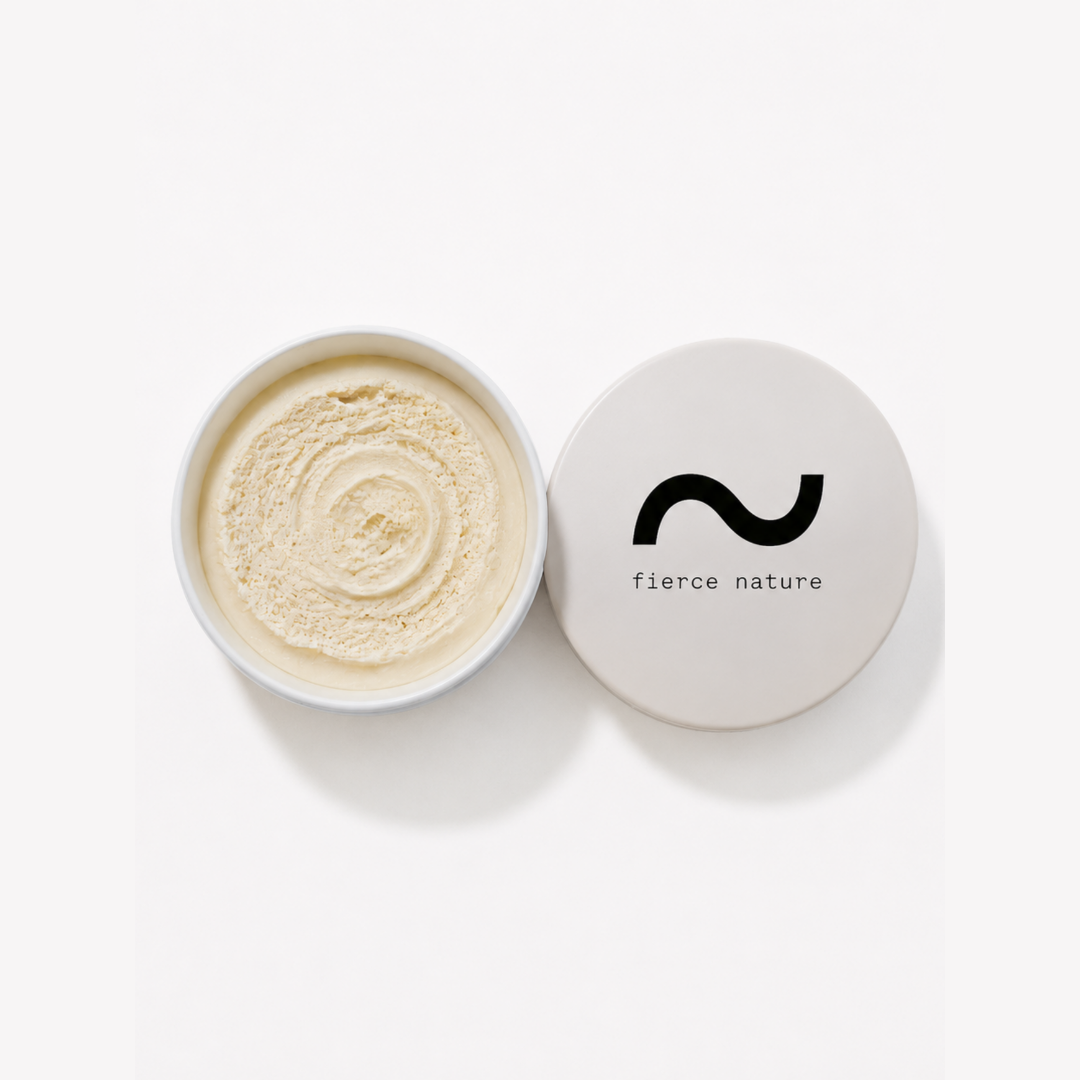

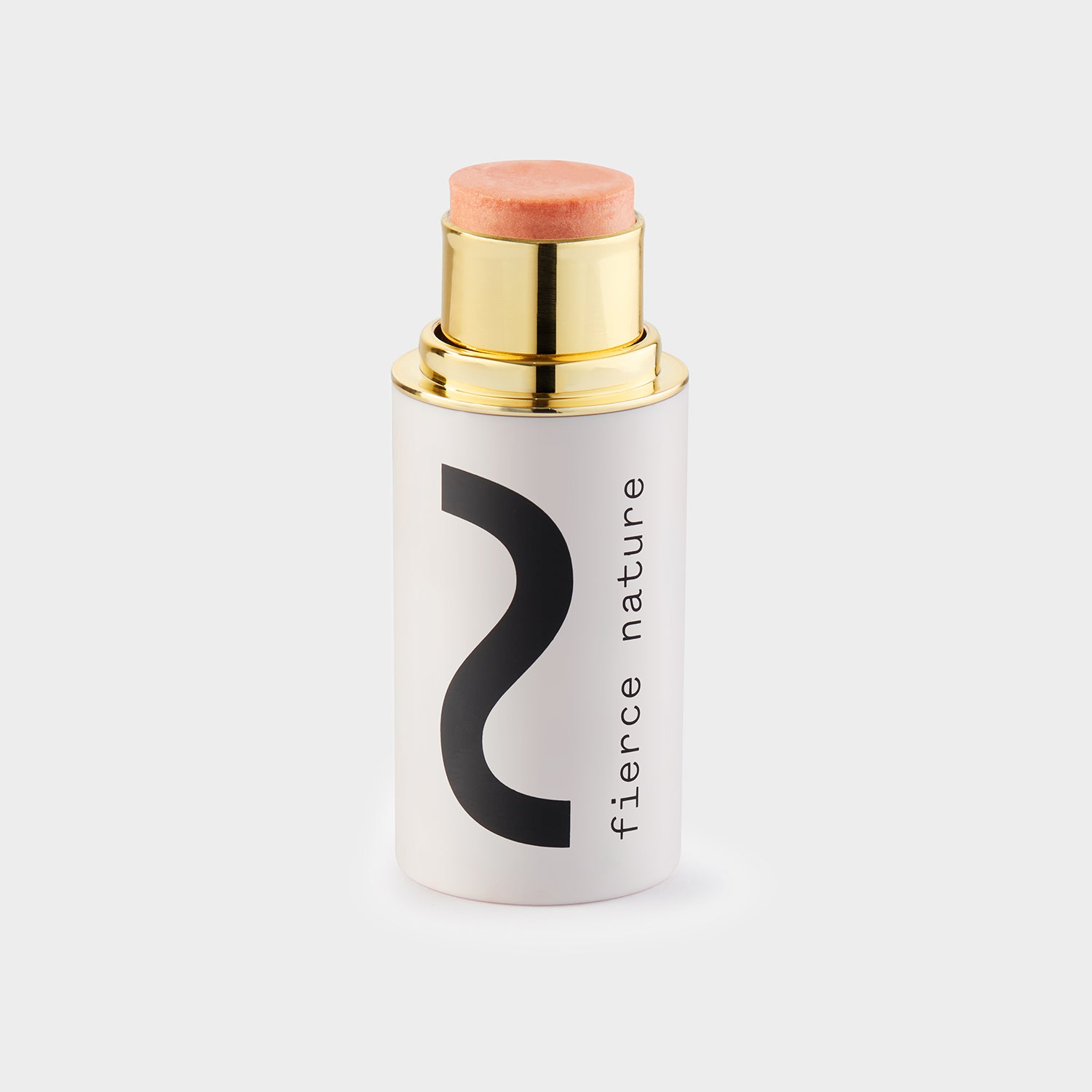
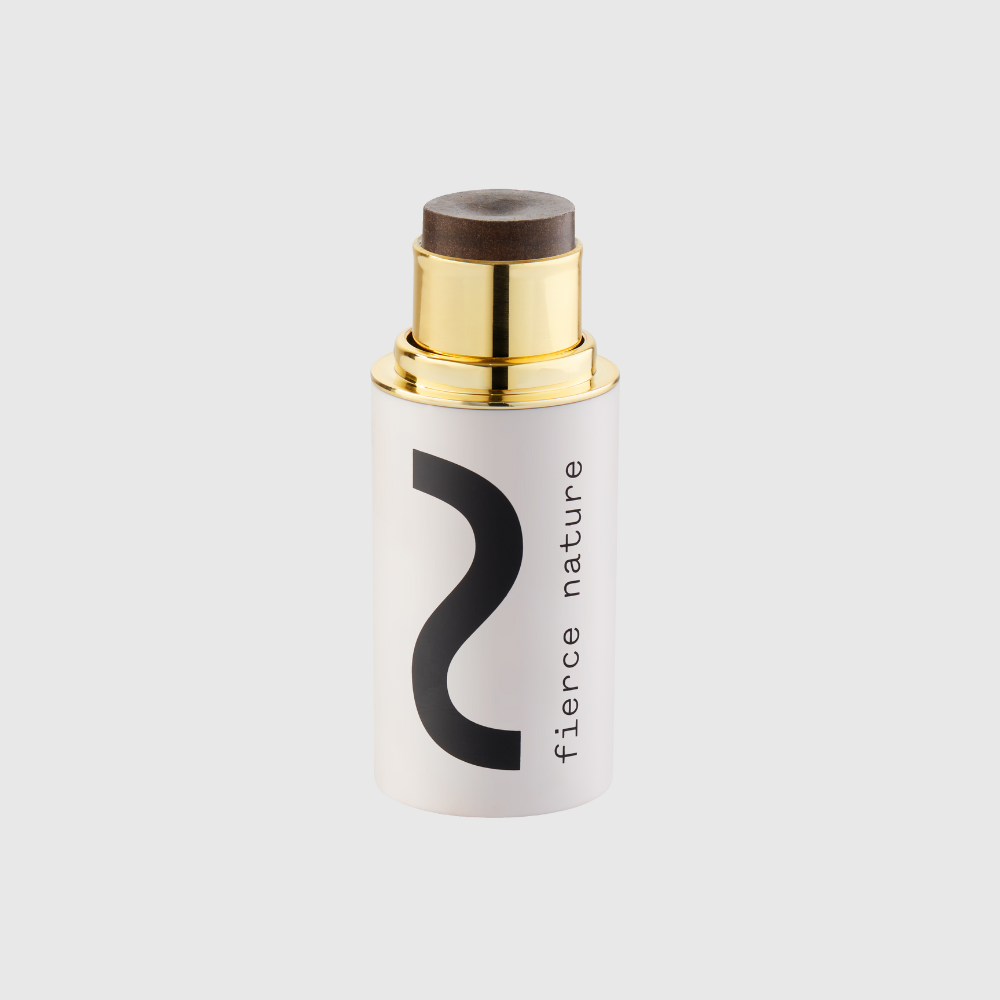
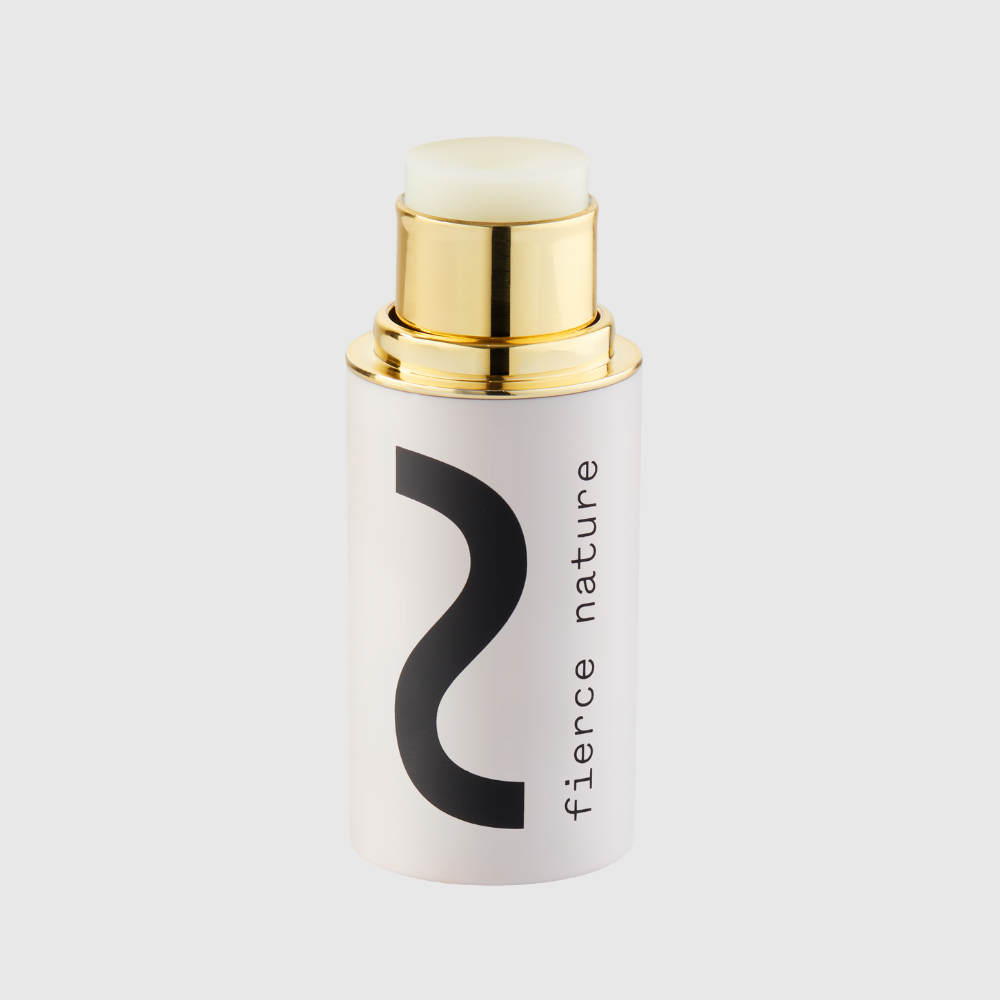
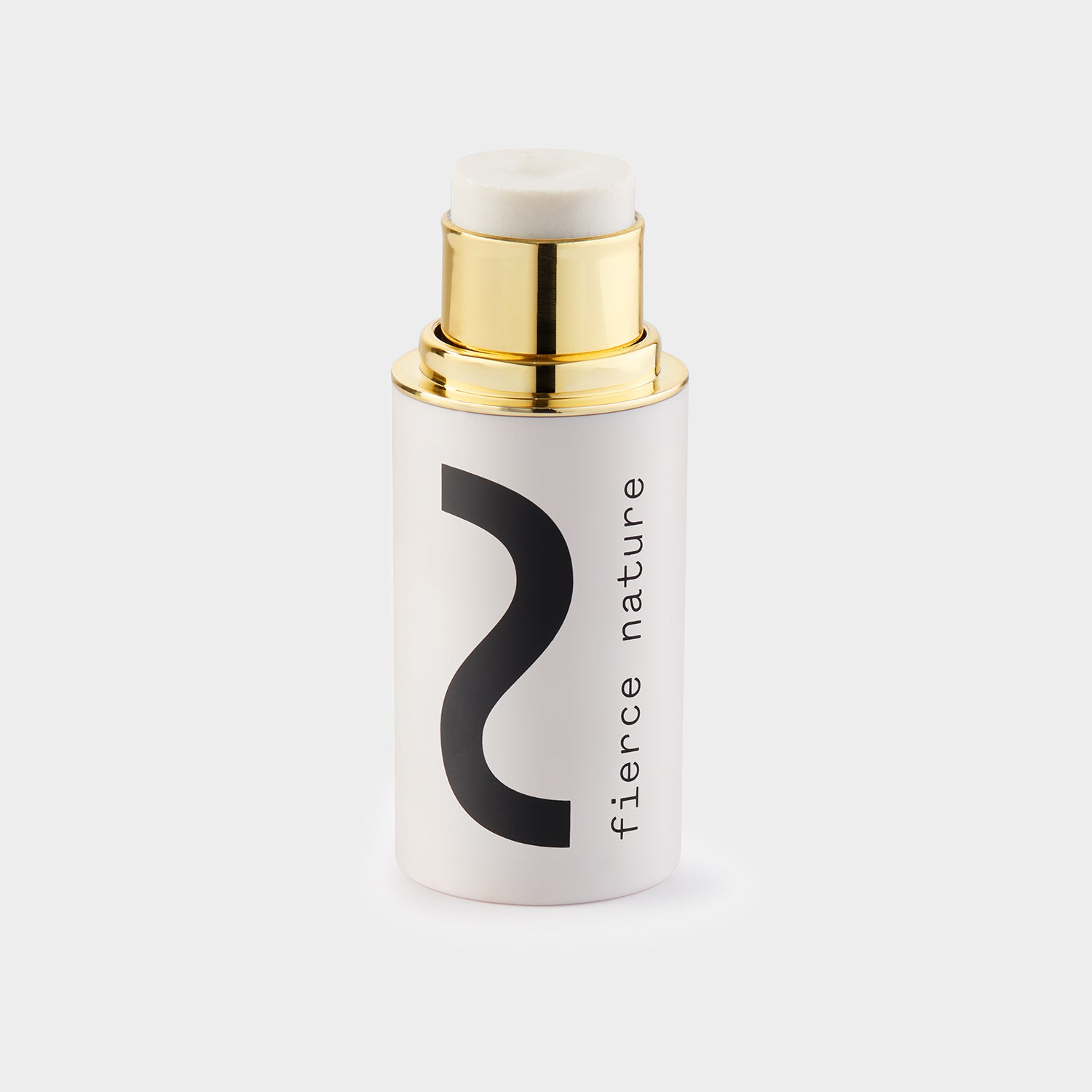
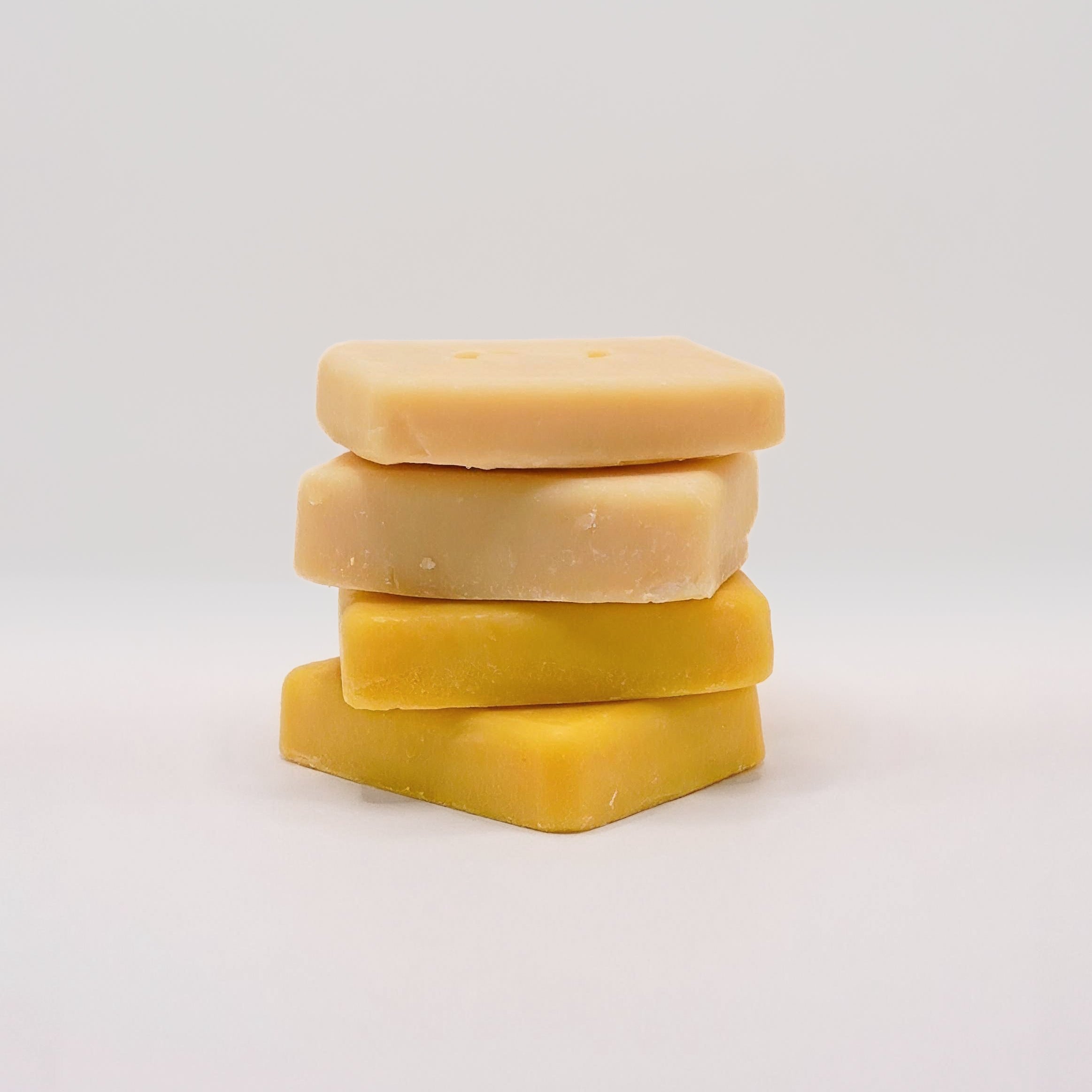




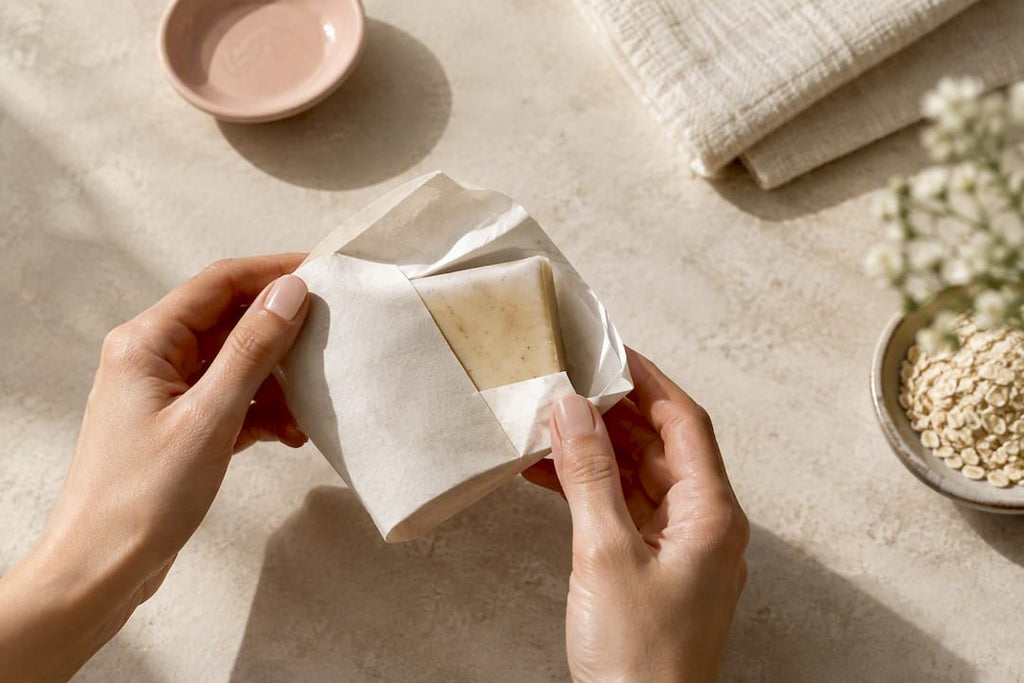
Yes, you can find gentle, coconut-oil-free bar soap, and the safest route is a short-ingredient, unscented bar made with tallow or olive oil rather than one making a “natural” claim on the front of the pack. Other good bases include rapeseed and shea. Read the INCI list before you buy, avoid “perfume” if you have a known sensitivity, and patch-test any new bar. An unscented tallow bar built for shoppers avoiding coconut oil is available from some makers.
TL;DR:
- Coconut derivatives in soap can be hidden under multiple names, making reading the ingredient list essential for verification.
- Tallow and olive oil bases are reliable, mild options suitable for sensitive skin, but check the INCI list to confirm absence of coconut oil.
- Sharing equipment during production can create cross-contact risks, so direct questions about manufacturing processes are crucial for safety.
- Coconut-free soaps often produce less foam and may feel creamier, with babassu and castor oils serving as common substitutes for coconut oil’s properties.
- Regularly reviewing full ingredient lists and asking sellers for confirmation ensures you avoid hidden coconut derivatives, especially if you have allergies.
The only reliable way to confirm a bar is coconut-free is to read its INCI list, the standardised ingredient names printed under the word “ingredients”. Coconut oil hides behind several names, so it helps to know what you’re scanning for: Cocos nucifera oil, sodium cocoate, sodium lauryl sulphate, sodium laureth sulphate, cocamidopropyl betaine and coco-glucoside are all coconut derivatives, even when the packaging never mentions coconut at all.
UK cosmetic labelling rules require ingredients to be listed in descending order by weight, with anything under 1% grouped afterwards in no particular order. That means a coconut derivative near the end of a long list is still there, just diluted. Fragrance is a separate problem: rules allow scent blends to be listed simply as “perfume” or “aroma”, which can mask dozens of individual compounds, including ones derived from coconut.
Small soap makers are permitted to skip a full label on the bar itself and instead supply the ingredient list on a leaflet, an attached tag or a notice near the display. That’s legal, but it puts the responsibility on you to ask for it if you don’t see it.
For a walkthrough of what each ingredient name actually means, our guide to reading cosmetic ingredient labels breaks it down section by section.
Pro Tip: Keep a note on your phone of the coconut-derivative names above so you can check a label in seconds, even in a shop with no signal.
Not all coconut-free soaps behave the same way on your skin, and the base fat or oil makes most of the difference.
A soap labelled “palm-free” is not automatically coconut-free, since some plant-based bases combine rapeseed with coconut oil in the same formula. Checking the actual INCI list remains the only dependable check.
The trade-off across all of these is consistent: the gentler and more conditioning a base is, the less it foams, and the more cleansing a bar feels, the more likely it relies on a detergent-style ingredient that can also irritate reactive skin. There’s no single “best” fat, only the right fit for your skin and your washing habits.
Specialist handmade-soap sellers and independent makers are, in practice, the most likely places to find full, published INCI lists, since they’re already working in small batches and used to disclosure. Larger commercial ranges sometimes list ingredients but rarely explain them, leaving you to do the decoding yourself.
Shopping in person and shopping online call for slightly different habits.
Our tallow soaps collection publishes full ingredient lists on every product page, which is worth using as a benchmark for what a transparent listing should look like.
One maker’s ethos is shaped by a personal history of unexplained skin reactions and research linking gut health, toxic load and skin sensitivity, leading to a standard that every ingredient should be nameable and every bar transparent about its contents.
Our soaps are handmade in the UK using organic tallow as the foundation, chosen because its fatty-acid profile is close to what your own skin produces. The unscented Multi-Use Tallow Bar and the Wonky Soap (Pack of 3) both list their full ingredients on the product page, so you can check for yourself rather than take our word for it. Our piece on why tallow suits sensitive skin covers the formulation reasoning in more depth.
If you’re switching to a tallow bar for the first time, patch-test on a small area of skin for a few days before using it on your face or body, and introduce it without other new products so you can judge the results clearly.
Even a genuinely coconut-free formula can pick up traces of coconut oil if it’s made on shared equipment, such as a mixing vessel, mould or cutting table also used for coconut-based bars. This is a manufacturing risk, not a formulation one, and it’s the reason a clean INCI list isn’t always the full picture for someone with a diagnosed allergy.
There is no formal “coconut-free” certification scheme in the way that, for example, organic certification works. Labelling rules require ingredients to be listed accurately, but they don’t require a maker to declare or test for cross-contact with allergens the way some food labelling does. That gap means the responsibility sits with you to ask directly.
If you have a diagnosed coconut allergy rather than a general sensitivity, ask the maker two specific questions: whether coconut-derived ingredients are used anywhere in their workshop, and whether equipment is dedicated or shared between batches. A maker willing to answer clearly and in writing is giving you a meaningful trust signal, regardless of what’s printed on the wrapper. For anyone with a history of severe reactions, this conversation matters more than any single ingredient name.
Coconut-free bars tend to suit people whose skin reacts to strong detergent-style cleansers, since coconut-derived ingredients like sodium cocoate and sodium lauryl sulphate are effective cleansers but can strip natural oils more aggressively than gentler bases.
People managing eczema, dermatitis or generally dry, reactive skin often do better with a low-detergency, high-conditioning bar such as a tallow or olive-oil formula, since these leave more of the skin’s natural barrier intact. Anyone with a diagnosed coconut allergy needs coconut-free soap as a matter of safety rather than preference, which makes label reading non-negotiable rather than optional.
Fragrance-sensitive skin benefits from pairing a coconut-free base with an unscented formulation, since removing both variables at once makes it much easier to identify what, if anything, still causes irritation. Our guide to fragrance-free options goes into more detail on when unscented is worth prioritising over scented “natural” claims. Even people without a specific sensitivity sometimes simply prefer the slower, creamier lather that conditioning-forward bases produce over a foamy commercial bar.
Coconut oil earns its place in conventional soap recipes because it produces a big, fluffy lather and a hard, long-lasting bar, so any substitute has to solve for both properties, not just one.
Palm kernel oil is a common commercial substitute, though it carries its own sustainability concerns and isn’t automatically gentler on skin. Babassu oil is often used as a direct swap because it produces a similar lather and hardness profile without coming from coconut, making it popular in “coconut-free” formulations aimed specifically at sensitive skin. Castor oil in small proportions boosts lather stability in an otherwise low-foam recipe, such as an olive-oil-based bar, without adding harshness. Sodium citrate and rice bran oil are sometimes used in small amounts to improve bar hardness and shelf life in coconut-free recipes.
None of these fully replicates coconut oil’s exact lather, and that’s the honest trade-off: a coconut-free bar may feel creamier and less foamy, particularly with tallow or olive-oil bases, in exchange for being gentler on reactive skin. If a big lather matters to you, look for a coconut-free bar that lists babassu or castor oil rather than assuming any “natural” bar will foam the same way.

The word “natural” has become close to meaningless on soap packaging, and that’s the single biggest thing worth unlearning. A bar can be entirely plant-derived and still contain coconut oil, still foam aggressively, and still irritate the exact skin it claims to soothe.
The conventional advice to “look for natural ingredients” undersells the actual skill involved, which is reading an INCI list critically and knowing which derivative names to distrust. Palm-free doesn’t mean coconut-free. Fragrance-free sometimes still means a hidden allergen tucked inside “perfume”. Even a short ingredient list needs checking, not assuming.
What we’d prioritise first, before brand reputation or price, is the habit of checking the list every time, including on repeat purchases, since formulations do change. A maker who answers questions about shared equipment and ingredient sourcing without hesitation is worth more than any front-of-pack claim. That habit will serve you longer than any single brand recommendation ever could.
— Fierce Nature
If you’d rather skip the label-detective work altogether, we’ve already done it for you. Our Multi-Use Tallow Bar (Unscented) is built entirely around tallow with no coconut derivatives and no added fragrance, making it suited to face, body and even shaving for people who want one bar that does everything gently. The Wonky Soap (Pack of 3) offers the same tallow-based formulation in a multi-pack, a practical way to trial coconut-free washing without committing to a single bar.
Visit the tallow soaps collection to view ingredient lists side by side and pick the bar that fits your skin.
Bars made primarily from tallow, olive oil, shea butter or rapeseed oil are typically coconut-free, though the only certain way to confirm it is checking the INCI list on each specific product. Our unscented Multi-Use Tallow Bar is one example built entirely without coconut derivatives.
Look for bars that state both “palm-free” and list their full INCI, since some palm-free melt-and-pour bases still contain coconut oil in the blend. Specialist handmade-soap makers who publish complete ingredient lists are generally the most reliable source, and checking the list yourself remains the deciding step.
Rather than relying on brand names alone, check each product’s INCI list for Cocos nucifera oil, sodium cocoate or related derivatives, since formulations can change between batches. Fierce Nature’s tallow-based bars, including the Wonky Soap (Pack of 3), are formulated without coconut oil and list their ingredients on the product page.
Tallow, olive oil and babassu oil are common substitutes, each solving for a different property: tallow and olive oil for conditioning and gentleness, babassu for maintaining a coconut-like lather and hardness. The right choice depends on whether you’re prioritising skin comfort or a foamier wash.
Home soap makers typically substitute tallow, olive oil or a rapeseed-based glycerine base for coconut oil, adjusting quantities since each fat behaves differently for hardness and lather. Anyone attempting this with a genuine coconut allergy should double-check every other ingredient’s INCI name for hidden derivatives before use.

The fastest way to calm winter itch is to apply a leave-on emollient to damp skin straight after washing, then keep using it daily rather than only when your skin flares. For sudden itching, a cool compress and a lukewarm shower work quickly. The habit that keeps winter itch away for good is regular emollient use paired with a few simple changes to your home and washing routine.
TL;DR:
- Regular application of a leave-on emollient immediately after bathing significantly reduces winter itch and prevents flare-ups if maintained daily.
- Using a humidifier and switching to fragrance-free detergents help maintain skin hydration and minimize irritation caused by indoor heating and harsh washing routines.
- Short, lukewarm showers combined with cooling compresses and avoiding hot water or soap-based cleansers provide quick relief from sudden itching episodes.
- Signs such as spreading redness, weeping, or cracking that causes pain require medical assessment, with corticosteroids and prescription emollients often recommended.
- Incorporating tallow-based balms can reinforce the skin barrier, with unscented formulas preferred for sensitive skin, and applying them overnight for optimal absorption.
Winter itch, known clinically as xerosis, is the dry, flaky, sometimes cracked skin that appears when the air turns cold and dry. It tends to show up on the legs, arms and trunk first, where natural oils are thinner and skin has less protection.
A few things conspire against your skin barrier at this time of year. Central heating and cold outdoor air both pull moisture from the skin, hot showers strip away natural oils, and strong detergents or wool fabrics add friction and irritation on top. Skin barrier function also changes with age, which is why winter itch tends to hit harder as the years go on.
You will usually notice:
Watch for signs that point to something beyond simple dryness: spreading redness, weeping or crusted patches, or skin that feels hot to the touch. These can suggest infection or an eczema flare that needs a different approach than moisturising alone.
When the itch strikes, the order you do things in matters. Here is a practical sequence:
Pro Tip: Keep a small emollient tub or balm by the shower so you never miss the damp-skin window after washing.
Emollients work as maintenance therapy, not a rescue remedy, so the biggest gains come from using one every day rather than only during a flare. Swapping soap for an emollient wash and applying a leave-on product straight after is the simplest habit to build.
A handful of home changes make a real difference too:
Hands take a particular beating in winter from washing and cold air, so keep a hand balm at every sink. It is also worth considering the NHS’s winter guidance on vitamin D, since sunlight is not strong enough between October and early spring for the body to make what it needs, and skin health benefits from good overall nutrition and hydration alongside topical care.
One small but important habit: always scoop moisturiser out with a clean spatula rather than fingers. It sounds fussy, but repeated finger contact with a shared tub is a genuine route for bacteria to multiply in the product, which then goes straight onto broken or irritated skin.
Pro Tip: Keep two pots on the go, one for hands by the sink and one for the body by the shower, so hygiene never gets in the way of consistency.
Most winter itch settles with consistent moisturising and the home changes above, but some signs mean it is time to get it checked rather than push on alone.
A GP will often start with a topical corticosteroid for inflamed patches, alongside a prescription-strength emollient to use daily once things calm down. For itching concentrated in one area, a menthol-containing cream may be suggested for short periods under supervision, and a short trial of antihistamines is sometimes used to help with sleep when night-time itching is the main problem. Tablets and other systemic medicines are not typically needed for straightforward winter itch, since it usually responds to topical care. If symptoms persist despite this, a GP may refer on to a dermatologist for further assessment.

Tallow is a lipid-rich emollient, and its fatty acid profile is close to what your skin already produces, which is why we designed Fierce Nature’s balms around it as a way to help rebuild the skin barrier and hold moisture in rather than just sitting on the surface.
A few notes on getting the most from a tallow balm this winter:
Our winter skincare guide and our piece on why tallow works go into more detail on choosing the right product for your skin.
Many people with sensitive skin find relief by applying a simple, consistent emollient every day, not just during flare-ups.
Three habits that often help include moisturizing on damp skin within minutes of washing, using products simple enough to maintain consistent use, and treating winter skincare as ongoing maintenance rather than a quick fix.

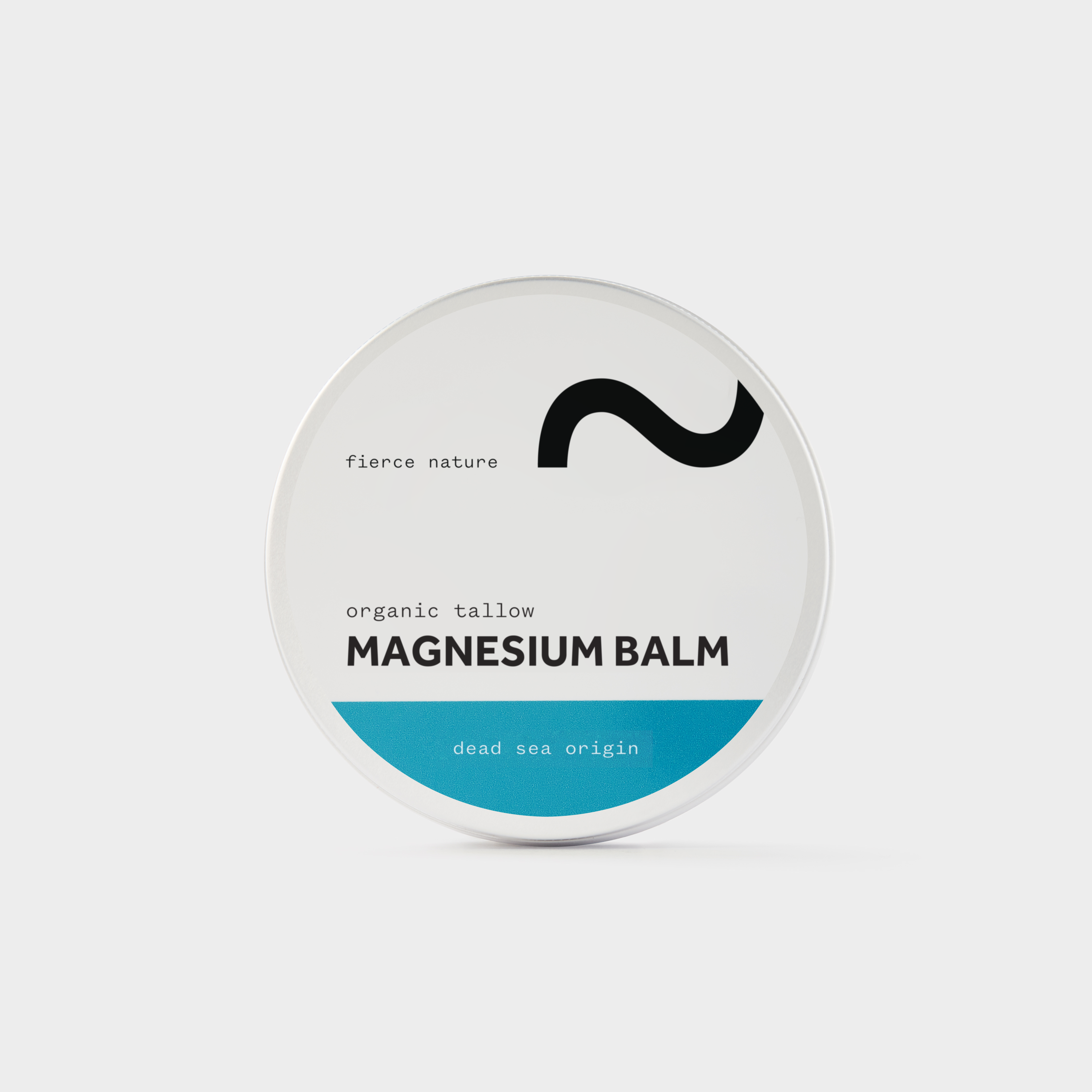
For sensitive or reactive skin, start with the Nourish Balm (Unscented) as your daily leave-on emollient, since it carries no fragrance to add to already irritated skin. If you prefer a solid format over a jar, the Multi-Use Tallow Bar (Unscented) works well for overnight or intensive repair on elbows, knees and shins.
Browse the full Nourish Balms Collection to find the texture that matches your skin this winter.
For further reading on emollient use, menthol-containing treatments, and botanical antipruritic research, NHS, British Association of Dermatologists and primary care formulary guidance are good starting points.
Itching is not typically caused by a single vitamin deficiency, though very low vitamin D during winter months is worth addressing as part of general skin health. The NHS recommends considering a daily vitamin D supplement in autumn and winter since sunlight alone is not enough at that time of year.
No fruit is established as a direct itch treatment. Some botanical ingredients, including aloe vera, have shown antipruritic potential in early research, but evidence remains limited and dosing is not standardised.
A cool compress or a short, lukewarm shower calms itching fastest by soothing the nerve endings involved. Following straight away with a leave-on emollient on damp skin then locks in moisture and prevents the itch returning as quickly.
There is no specific drink proven to relieve itchy skin, though staying well hydrated supports overall skin condition through winter. Herbal teas such as chamomile are sometimes used for their calming properties, though this is not a substitute for topical care.

If you’re ready to move away from heavy foundation, the fastest route is a sheer skin tint or tinted balm, worn with concealer only where you need it. This combination gives you even, glowing skin without the mask-like finish, and it lets your skin breathe. Choosing formulas with fewer synthetic fillers and more hydrating, non-toxic ingredients means your skin gets nourished, not just covered.
TL;DR:
- Lightweight tints and balms are best for natural, barely-there coverage that allows the skin to breathe and suit everyday wear.
- Applying tinted SPF requires following product-specific instructions to ensure proper sun protection rather than relying solely on the tinted layer.
- Targeted spot concealing preserves skin texture and avoids the flat appearance caused by full-coverage products, especially on healthy-looking areas.
- Proper removal with a gentle balm or oil-based cleanser followed by water-based cleansing is essential to maintain skin health after light coverage.
- Seasonal changes dictate the choice of product, with lighter formulas favored in summer and more emollient, balm-based tints suitable for dry winter skin.
Heavy foundation was built for full coverage, but most of us don’t need that every day. Understanding what each lighter category actually does helps you pick the right one for your skin and your morning.
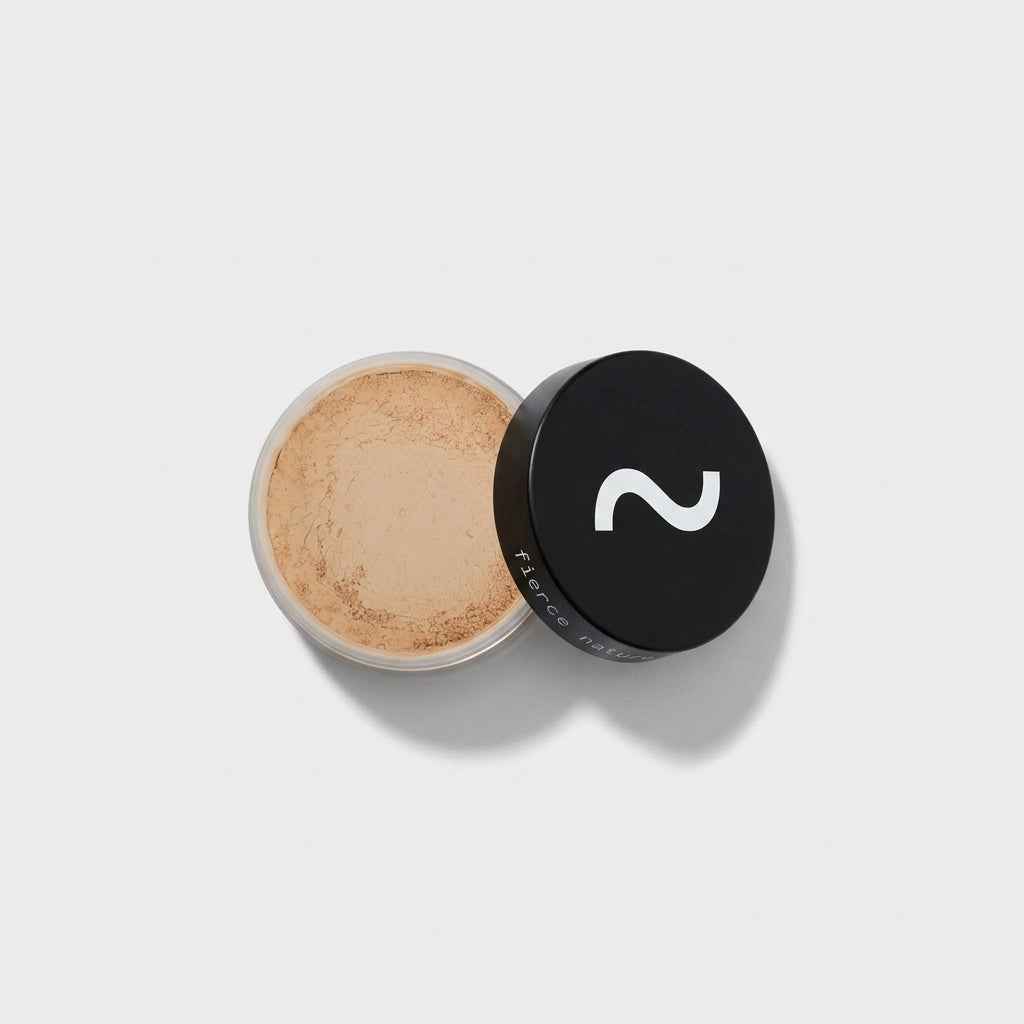
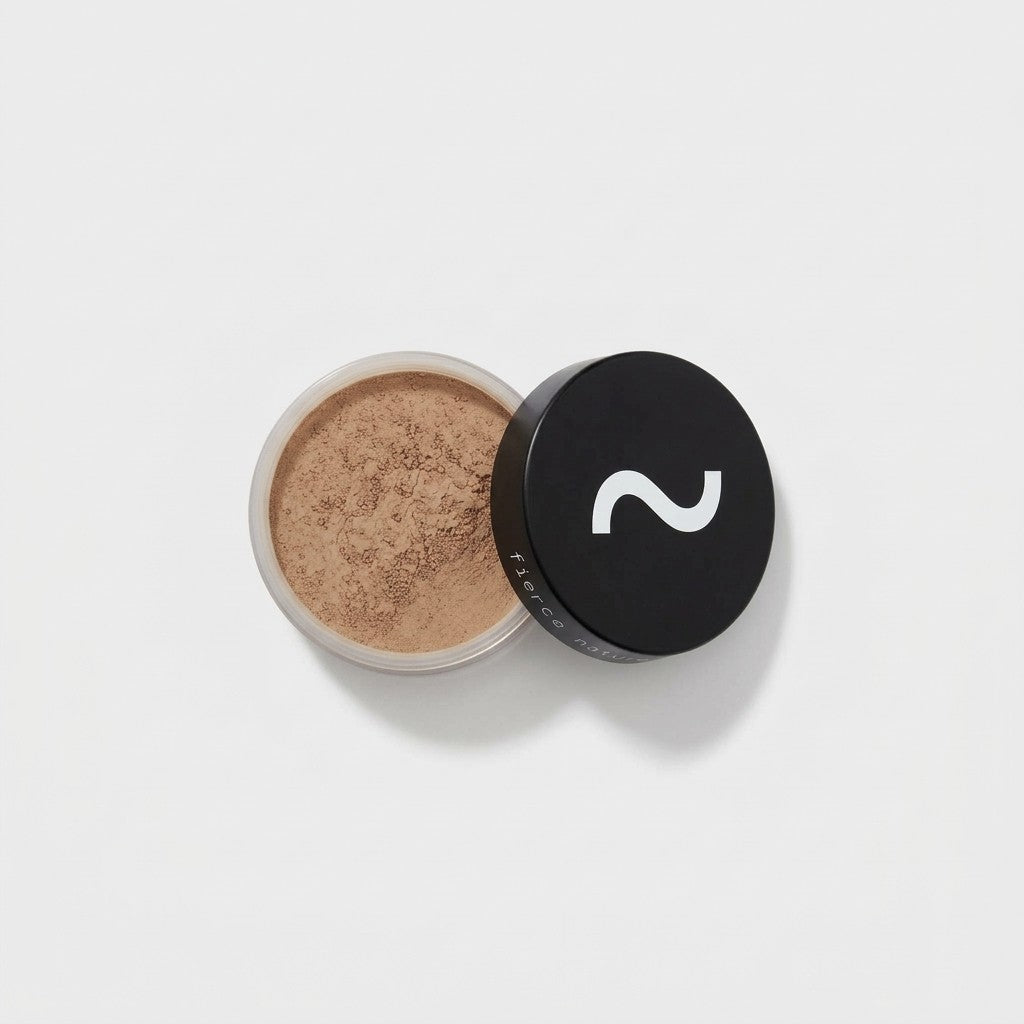
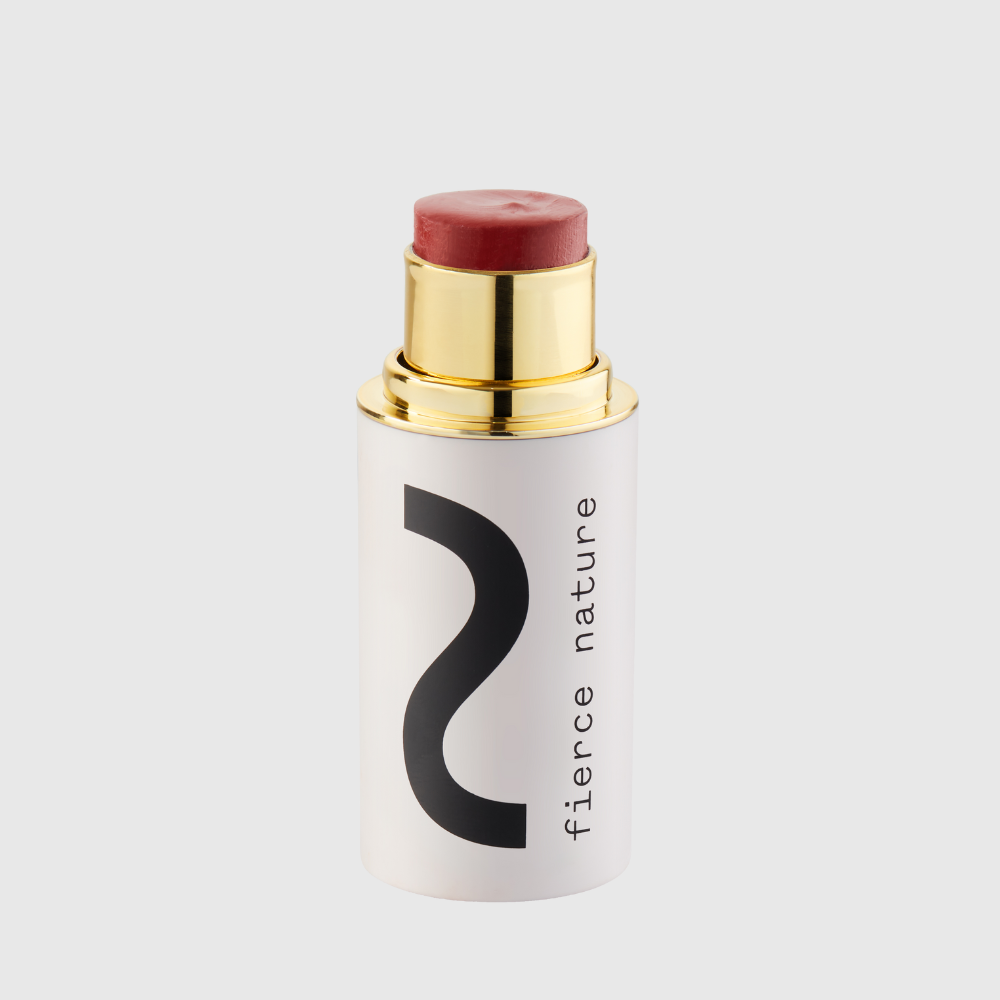
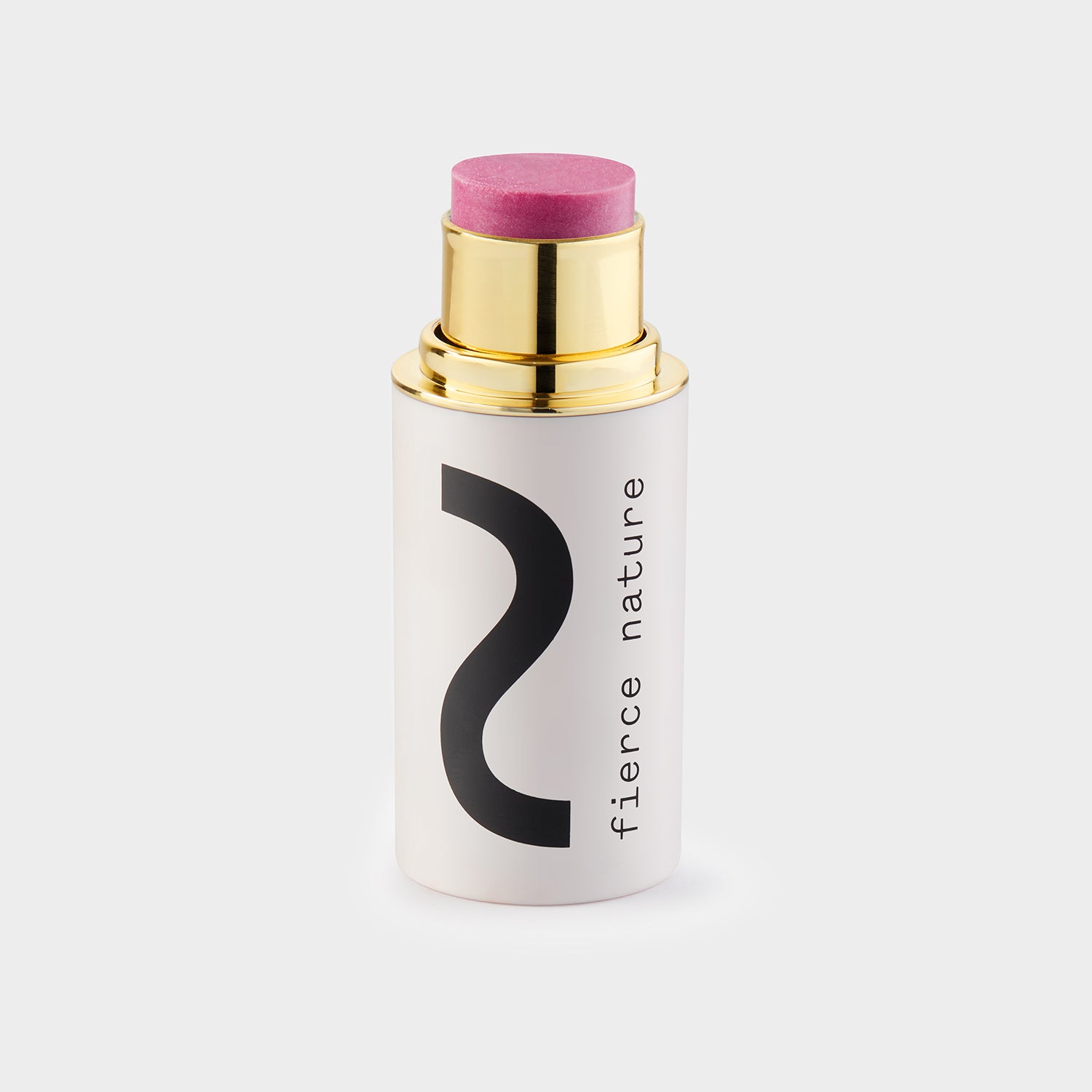
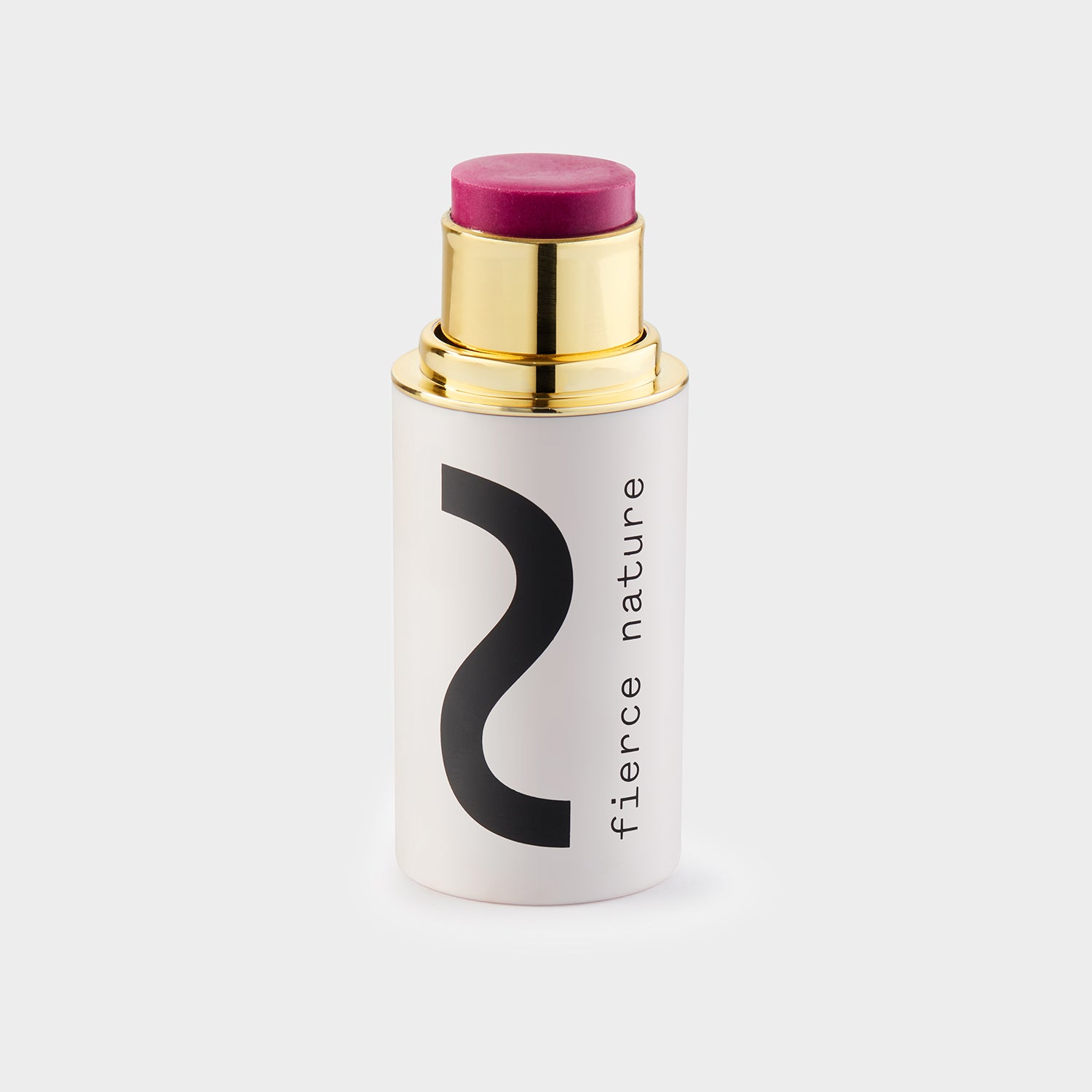
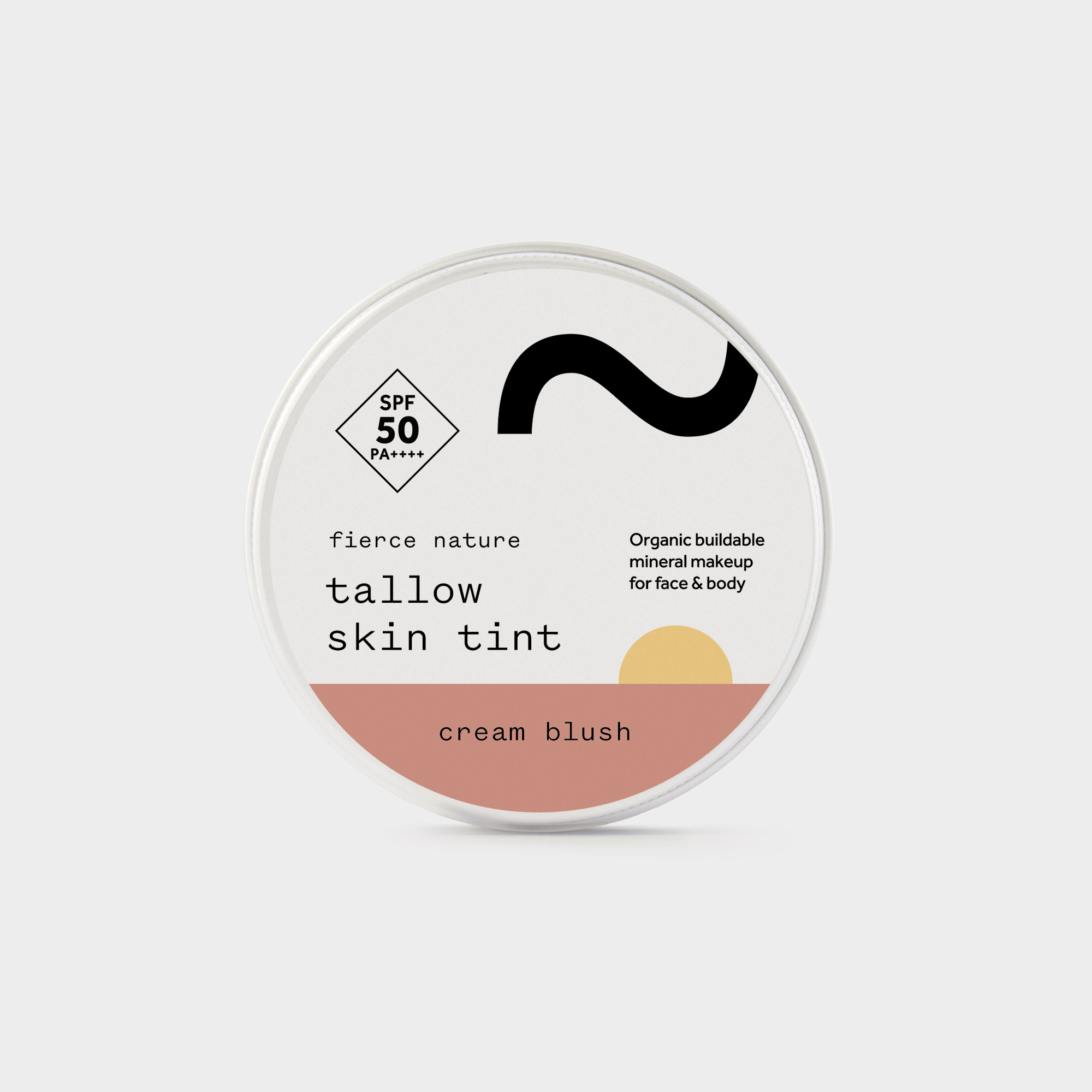
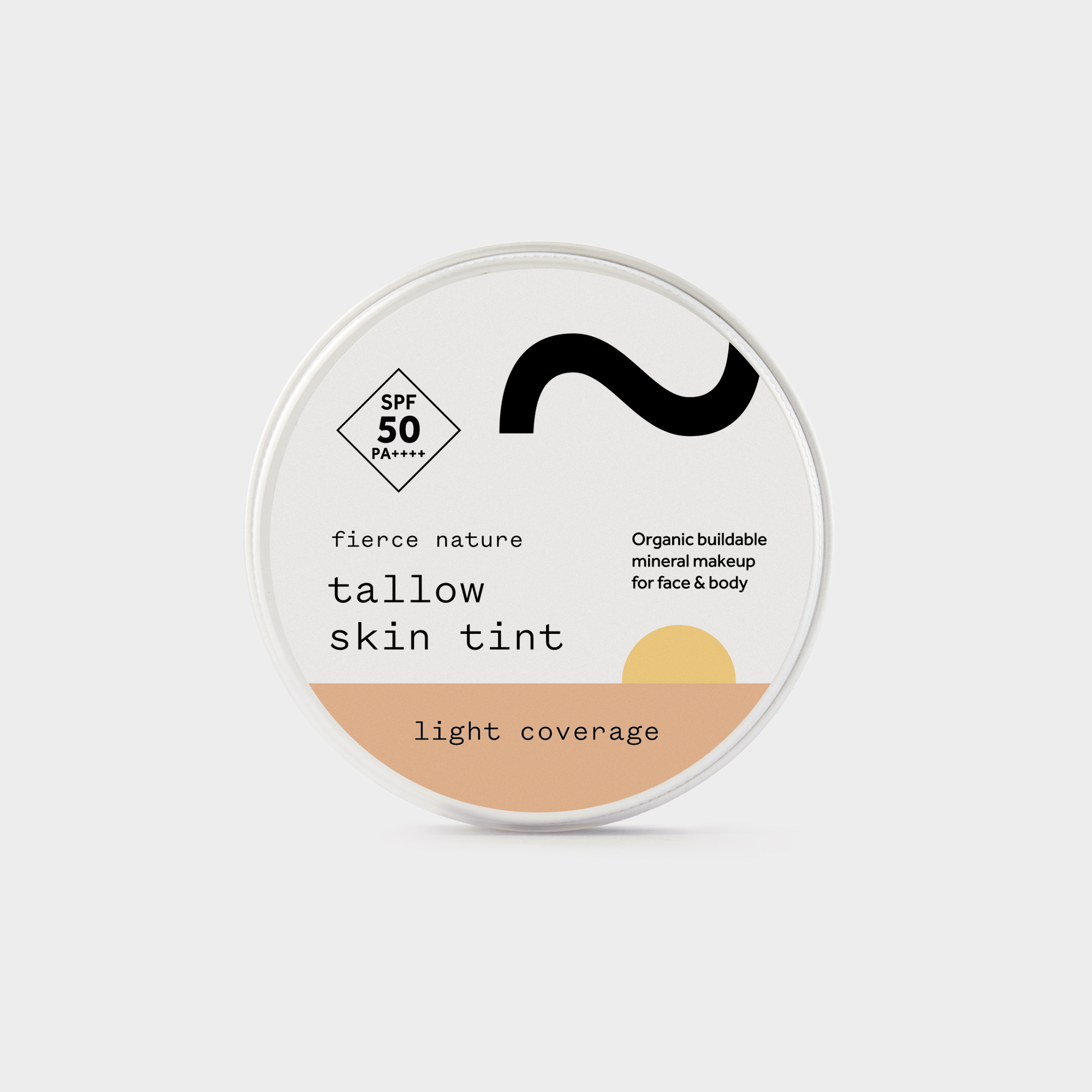
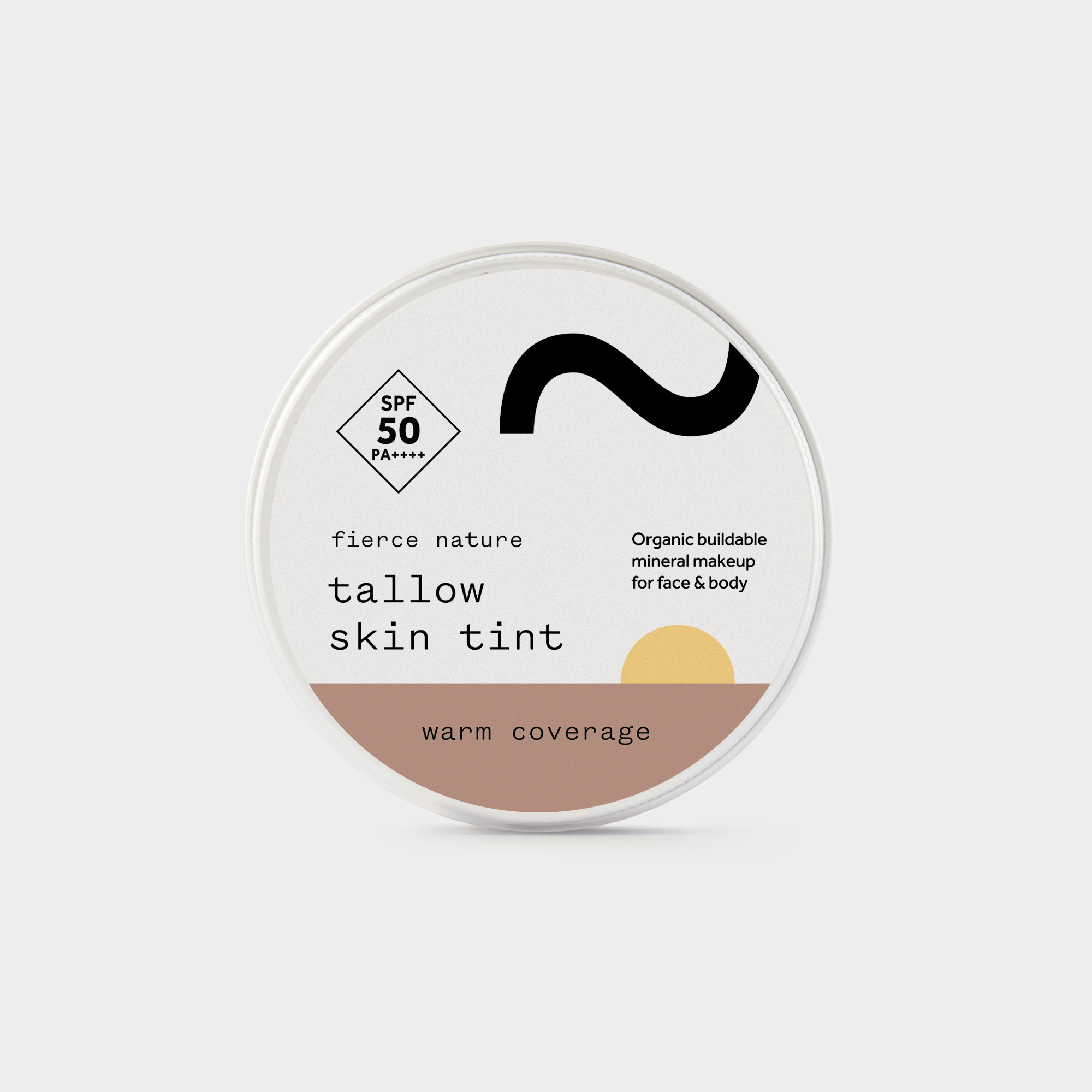
Skin tints and tinted balms sit closest to your natural skin, offering a wash of colour rather than a mask. They tend to melt into the skin rather than sit on top of it, which is why they suit anyone chasing a barely-there look. Our own Skin Tint (Light Coverage), Skin Tint (Cream Blush) and Skin Tint (Warm Coverage) fall into this category, each offering a different depth of colour while keeping the finish soft rather than flat.

Tinted moisturisers and BB or CC creams blend skincare and colour in one step. They usually carry more hydrating ingredients than traditional foundation and give a dewier finish, making them a good fit for dry or normal skin that wants a touch of glow alongside light coverage. Editorial testing has found that many modern lightweight formulas now include actives such as hyaluronic acid or niacinamide, which help hydration sit alongside sheer coverage rather than compete with it.
Tinted sunscreens combine sun protection with a light wash of colour, but treat the SPF claim on its own terms. A thin, cosmetic layer of tinted sunscreen is not guaranteed to give you the same protection as a dedicated sunscreen applied at the recommended amount, so follow the product’s own directions rather than assuming your tint has you covered.
Spot concealing is often the missing piece for people who think they need full coverage. Instead of applying product everywhere, target only what needs attention: a blemish, a shadow under the eyes, a patch of redness. This keeps your natural skin texture visible and avoids the flat, poreless look that heavier products can create.
Light powders, used sparingly, can control shine on an oily T-zone without adding another layer of colour. A small amount pressed only where needed does the job without contributing to a cakey finish.
You can read more about how these formulas compare in our guide to skin tints for a natural glow.
Getting a natural result isn’t about using less product randomly. It’s about layering the right things in the right order, starting with well-prepped skin.
For balm-based tints, fingers give you the warmth and control you need. For liquid tints, a damp sponge helps distribute colour evenly without soaking it up. Avoid heavy coverage across your cheeks and forehead where your natural texture already looks healthy, and save your effort for areas that genuinely need it.
On rushed mornings, skip the concealer step entirely and let the tint do the work alone. If your T-zone gets oily by midday, a light powder touch-up beats reapplying tint on top of tint.
Pro Tip: Mix a drop of your tint with a little moisturiser on the back of your hand before applying: it stretches the product further and softens the finish even more.
Front-of-pack words like “clean” or “natural” are not regulated definitions, so they can’t tell you much on their own. UK cosmetic law requires ingredients to be listed in descending order (known as the INCI list) and requires disclosure of certain fragrance allergens on leave-on products like foundation, tints and balms, which means the real information sits in that small-print list, not the packaging claim.
A few things worth watching for:
A single new product, introduced on its own for a few days, is the simplest way to catch a reaction before it spreads to your whole face. This is the same principle behind the patch testing used in dermatology, where a small amount of product is applied to a discrete area and monitored before wider use.
If you’re using a tinted SPF, don’t assume the sheer layer you’d normally apply for colour is enough for protection. Follow the packaging’s stated amount for sun protection, even if that means using more than your usual light touch. For a deeper look at ingredient literacy, our guide on what non-toxic skincare actually means and our checklist of ingredients to watch for go into more detail.
Fierce Nature grew out of a lifelong battle with skin rashes and reactions that mainstream cosmetics never explained. That experience shaped a simple rule: every ingredient earns its place, and nothing hides behind a fragrance blend.
Tallow has been used for generations as an emollient because it works with skin rather than sitting on top of it, and its bioavailability is part of why we built our formulas around it. Some skin tints carry a tallow base. There are also luxe balms and nourish balms that serve as tinted balm alternatives for a dewier finish, and multi-use tallow bars that work as nourishing bases beneath them.
Even sheer coverage needs proper removal, and skipping this step undoes a lot of the hydration work you did that morning.
Start with a gentle cleansing balm or oil-based cleanser to break down tint and balm pigments, which tend to bind more closely to skin than heavier silicone-based foundations. Massage it in dry for thirty seconds or so before adding water, letting it emulsify and lift product away rather than scrubbing it off.

Follow with a gentle water-based cleanser to clear any remaining residue, particularly if you’ve worn a tinted SPF, since sunscreen filters can be more stubborn than colour alone. A muslin cloth or soft flannel helps lift product from texture and pores without the friction of rubbing with your hands.
Avoid reaching for harsh micellar waters or alcohol-based wipes as your only step. They can leave a film behind that clogs pores overnight, undoing the barely-there benefit you chose the tint for in the first place. A proper cleanse, followed by your usual nighttime moisturiser, keeps the skin barrier settled and ready for the next day’s light layer. For sensitive skin, choosing the right cleanser matters as much as choosing the right tint, and our guide to chemical-free cleansers for sensitive skin covers this in more depth.
Your skin’s needs shift with the seasons, and your base product should shift with them.
In warmer months, heat and humidity make heavier formulas more likely to slide or separate, so a lightweight tint with a matte or semi-matte finish tends to hold up better through the day. Oil control becomes more of a priority, which is where a light powder touch-up on the T-zone earns its place. Tinted SPF also becomes more of a daily habit than an occasional extra, given how much more sun exposure summer routines involve.
In colder months, skin often turns drier and more prone to flaking, which is exactly when a heavier foundation can look patchy and emphasise texture it should be smoothing over. A balm-based tint with more emollient qualities, layered over a richer moisturiser, tends to sit better on drier winter skin. This is also the season where skipping powder altogether and leaning on hydration instead often gives the most natural finish.
For everyday wear, humid days, workouts or simply days when your skin needs a break, lightweight tints and balms outperform heavier foundation every time. Save fuller coverage for events or photography where every mark needs concealing on camera.
The real win is treating coverage as one part of skin health, not the whole goal.
— Fierce Nature
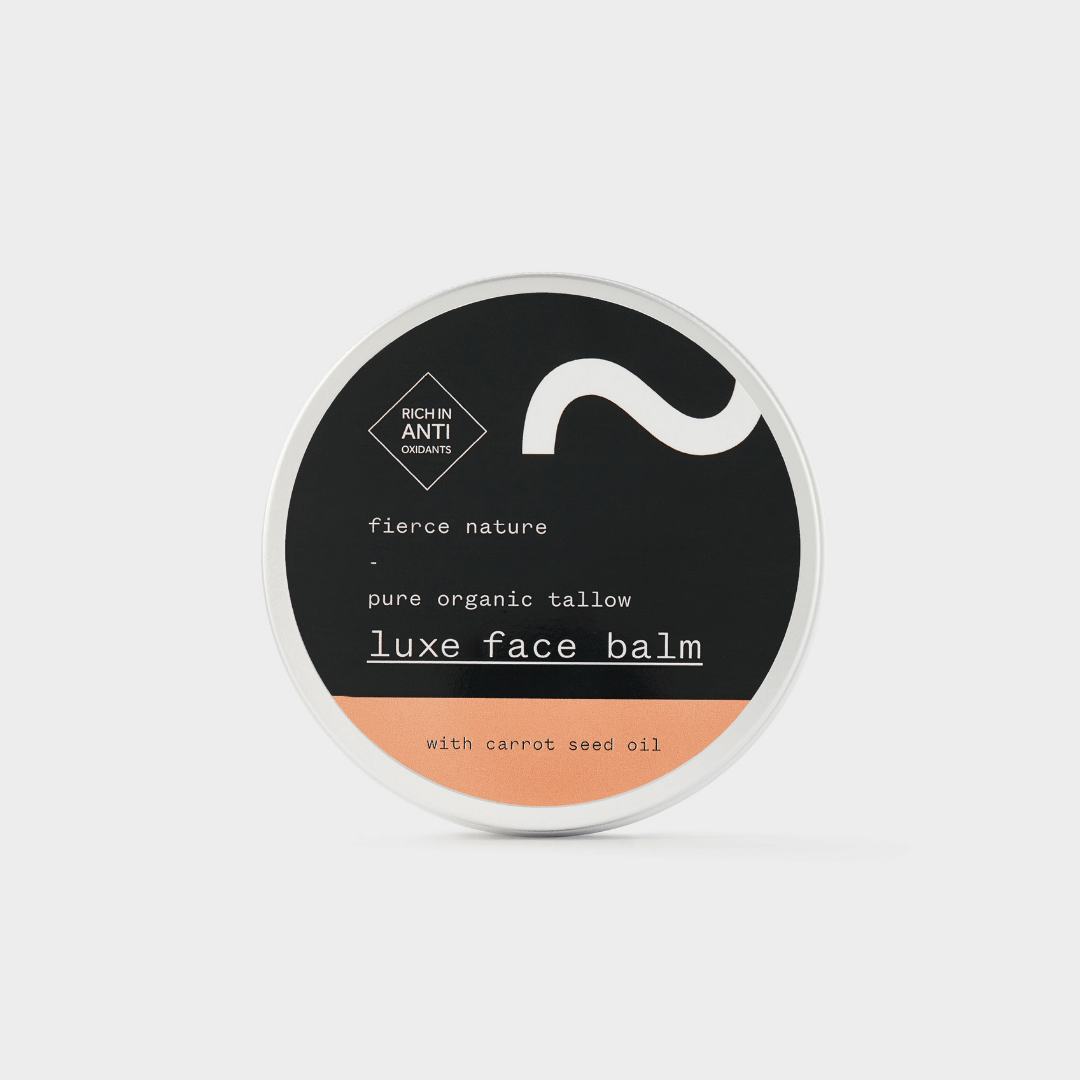
If you’re ready to try a lighter routine, our Skin Tint (Light Coverage), Skin Tint (Cream Blush) and Skin Tint (Warm Coverage) each give you sheer, tallow-based colour without synthetic fillers. Our Luxe Balm and Nourish Balms work as tinted balm alternatives for a dewier finish, and every formula is worth patch-testing before daily use.
Browse the full Skin Tints collection to find your match.
GOV.UK cosmetic labelling rules, NHS patch-testing guidance and dermatology advice on acne-safe makeup informed this piece.
A sheer skin tint or tinted balm paired with concealer where needed is the most practical substitute, since it gives you even tone without a heavy layer. Tinted moisturisers and BB or CC creams work well too, particularly for drier skin needing extra hydration.
You can use a tinted balm, a skin tint, a BB or CC cream, or simply a moisturiser followed by concealer on the areas that need it. Each option leaves more of your natural skin texture visible than traditional foundation.
Skin tints, tinted balms, tinted moisturisers, BB and CC creams, and tinted sunscreens are the main lightweight alternatives worth trying. Dermatologists also suggest a targeted concealer-only approach for people who mainly want to cover specific marks rather than their whole face.
Look for lightweight tints or balms formulated with hydrating actives rather than heavy silicones or waxes, since these tend to sit closer to the skin. Our tallow-based Skin Tints are designed with this hydration-first approach, and patch-testing any new formula first helps confirm it suits your skin before daily use.

Mineral lip balms containing zinc oxide or titanium dioxide offer effective broad spectrum protection while minimising irritation, provided they sit in a hydrating, fragrance free base. The best approach for sensitive or daylight sensitive skin is an SPF 30 to SPF 50+ mineral formula built on nourishing emollients rather than petroleum derivatives. Tallow based balms following this exact template tend to suit lips that react badly to conventional sun sticks.
TL;DR:
- Mineral lip SPF formulas with zinc oxide or titanium dioxide offer physical UV protection that is less irritating, especially for sensitive or daylight-sensitive skin.
- Micronised or nanoparticle filters reduce white cast and improve wearability, but sensitive skin users may prefer non-micronised zinc oxide due to fewer dispersants.
- An SPF of at least 30 is suitable for daily use, while SPF 50+ is recommended for prolonged outdoor exposure or for those with photosensitivity.
- Reapplication every two hours, immediately after eating or drinking, is essential for effective lip sun protection, especially during outdoor activities.
- Look for products with active mineral ingredients, broad spectrum or PA ratings, fragrance-free formulas, and nourishing ingredients like waxes, butters, and oils.
Zinc oxide and titanium dioxide sit on the surface of your lips and physically reflect and scatter UV rays before they reach living skin cells. That is a genuinely different mechanism from chemical filters, which absorb UV radiation and convert it into heat within the skin. Journalistic health roundups covering derm-recommended lip balms describe zinc oxide as blocking UV physically, sitting as a barrier rather than being absorbed the way chemical actives are.
“Broad spectrum” means the filter defends against both UVA rays (which age and pigment skin) and UVB rays (which burn it). Zinc oxide is one of the few single ingredients that genuinely covers both ranges well, which is one reason dermatology guidance keeps returning to it for reactive skin.
Particle size matters more than most labels admit:
Review sites that test lip balms outdoors consistently flag this trade-off between visible whiteness and tolerability. The takeaway for your lips specifically: a physical barrier reduces the irritation risk that comes with chemical filters penetrating thin, delicate perioral skin, which is exactly why lips deserve their own product rather than a smear of leftover face sunscreen.
For sensitive or daylight sensitive skin, mineral filters usually win on comfort. British dermatology guidance for daylight sensitive individuals points specifically towards mineral sunscreens that reflect UV light, recommending high factor, broad spectrum, non-fragranced products over chemical alternatives. Allergy clinic advice echoes this: chemical filters and added fragrance are flagged as common triggers for dryness and reactivity in sensitive skin, while mineral filters tend to be better tolerated.
That does not make mineral balms flawless. Two honest limitations:
If you have never had a reaction to sunscreen and you spend hours in water each week, a water-resistant chemical formula might genuinely suit your lifestyle better. But if you have any history of lip dryness, flaking, or reaction to scented balms, mineral is the safer starting point, and it is the only sensible choice if a dermatologist has already flagged daylight sensitivity.
Pro Tip: If you are switching from a chemical lip sunscreen to mineral for the first time, expect a short adjustment period where your lips feel slightly drier as they lose any silicone film the old product left behind. Layer a nourishing tallow balm underneath for the first week or two.
Lips deserve at least the same baseline protection as the rest of your face, and arguably more, since the skin there is thinner and has no melanin cushion to speak of.
PA ratings (Protection Grade of UVA, a Japanese and Asian-market standard increasingly seen on UK products) run from PA+ to PA++++, showing UVA defence specifically, separate from the SPF number, which is calculated against UVB. A product marked “SPF 50+ PA++++” is telling you it defends strongly against both burning and the deeper ageing rays.
Reapplication timing matters more on lips than almost anywhere else on your body, because lips get physically wiped by eating, drinking, and talking:
A good mineral lip SPF is judged on two fronts at once: how well the zinc oxide or titanium dioxide sits as a continuous film, and how well the rest of the formula nourishes skin that dries out fast. Cancer Research UK’s shop lists a MooGoo SPF15 natural lip balm as a working example of this balance, combining zinc oxide with beeswax, shea butter, sweet almond oil, and jojoba oil in one formula.
Ingredients worth seeking out on the label:
Ingredients that deserve more scrutiny on sensitive lips:
The base itself changes how the mineral filter behaves. Petroleum-based bases create a thick occlusive seal but sit heavily and can trap heat. Natural waxes and tallow behave differently: tallow’s fatty acid profile closely resembles the lipids already in human skin, so it tends to absorb rather than simply sit on top, while still helping the zinc oxide form an even film. That combination of absorption and film-forming is precisely what a lip needs, since lips have no oil glands of their own to keep the barrier supplied.
Skip the marketing copy on the front of the packet and look for these specifics instead:
| What to check | Why it matters | Red flag |
|---|---|---|
| Active mineral filter named | Confirms genuine physical protection, not a vague “SPF” claim | No zinc oxide or titanium dioxide listed in ingredients |
| SPF and broad spectrum stated together | Confirms UVB and UVA cover, not just burn protection | SPF number given with no broad spectrum or PA claim |
| Fragrance-free formulation | Reduces irritation risk on delicate perioral skin | “Natural fragrance” or flavour oils buried in the list |
Product pages worth trusting will state their active percentage or at least list zinc oxide clearly among the first few ingredients, alongside a stated SPF and broad spectrum claim. A page that only says “natural mineral protection” with no ingredient transparency at all is the clearest red flag going. If your lips are especially reactive, patch test a small amount on the inner wrist for 24 hours before committing a new balm to daily lip use, and reintroduce products one at a time so you know exactly what caused any flare-up.
A mineral filter only works if it forms a genuine, unbroken film, which means the usual “quick swipe” habit most of us have is not enough.
Pro Tip: Keep your SPF lip balm somewhere you will actually see it: glove box, desk drawer, handbag, because the products that work best are the ones you remember to reapply without thinking about it. For a full walkthrough of layering sunscreen over makeup without disturbing it, a slow, pressing motion beats rubbing every time.
If you have been diagnosed with a photosensitive condition, your lip SPF choice is not really optional, it is part of managing the condition itself. Guidance for chronic actinic dermatitis specifically recommends mineral sunscreens that reflect UV light, alongside high factor, broad spectrum, non-fragranced products, and notes that tinted creams are sometimes offered as an additional layer of visible light defence. That last point matters, because some daylight sensitive conditions react to visible light as well as UV, which chemical filters do not address at all.
Perioral dermatitis, the small, sometimes itchy bumps that cluster around the mouth, needs a different kind of caution. Dermatology guidance on the condition is clear that topical steroids and fragranced cosmetics should be avoided, with a return to simple, unperfumed moisturisers once the flare has settled.
Practical steps worth taking:
The founder of the brand behind these balms grew up battling unexplained skin rashes and reactions through years of mainstream cosmetics, shaving gels, and lipsticks, an experience that later shaped a career-long interest in gut health and the toxic load conventional products place on skin from birth onward. [author_bio]
That history is the reason every formula from this brand starts from the same two decisions: use organic tallow as the nourishing base, and leave fragrance out entirely. Tallow’s fatty acid profile mirrors the lipids already present in human skin, which is part of why it has been used for centuries as a deep-penetrating emollient in soap and balm making. For a lip product, that means the base is doing real hydrating work, not just holding the mineral filter in place.
A few points worth knowing about how this plays out in practice:
Most sun-care advice treats lips as an afterthought, a quick footnote after several paragraphs about face and body SPF. That is the biggest gap in conventional guidance: lips have no oil glands, thinner skin, and constant physical wear from eating and talking, yet they get the same generic “apply and reapply” line as everywhere else.
The judgement worth taking from all of this is simple. Mineral filters are the right default for lips specifically, not just for sensitive skin generally, because the mechanism (a physical film) matches what lips actually need (something reapplied constantly that will not sting on broken or chapped skin). Chemical filters are not dangerous, but they solve a different problem, water resistance and cosmetic finish, that matters less on a body part you reapply every couple of hours anyway.
Where most buying guides fall down is treating “natural” and “effective” as opposites, when the real priority order is: confirm the active mineral ingredient and SPF first, then let fragrance-free and nourishing ingredients decide between two products that already clear that bar.
— Fierce Nature
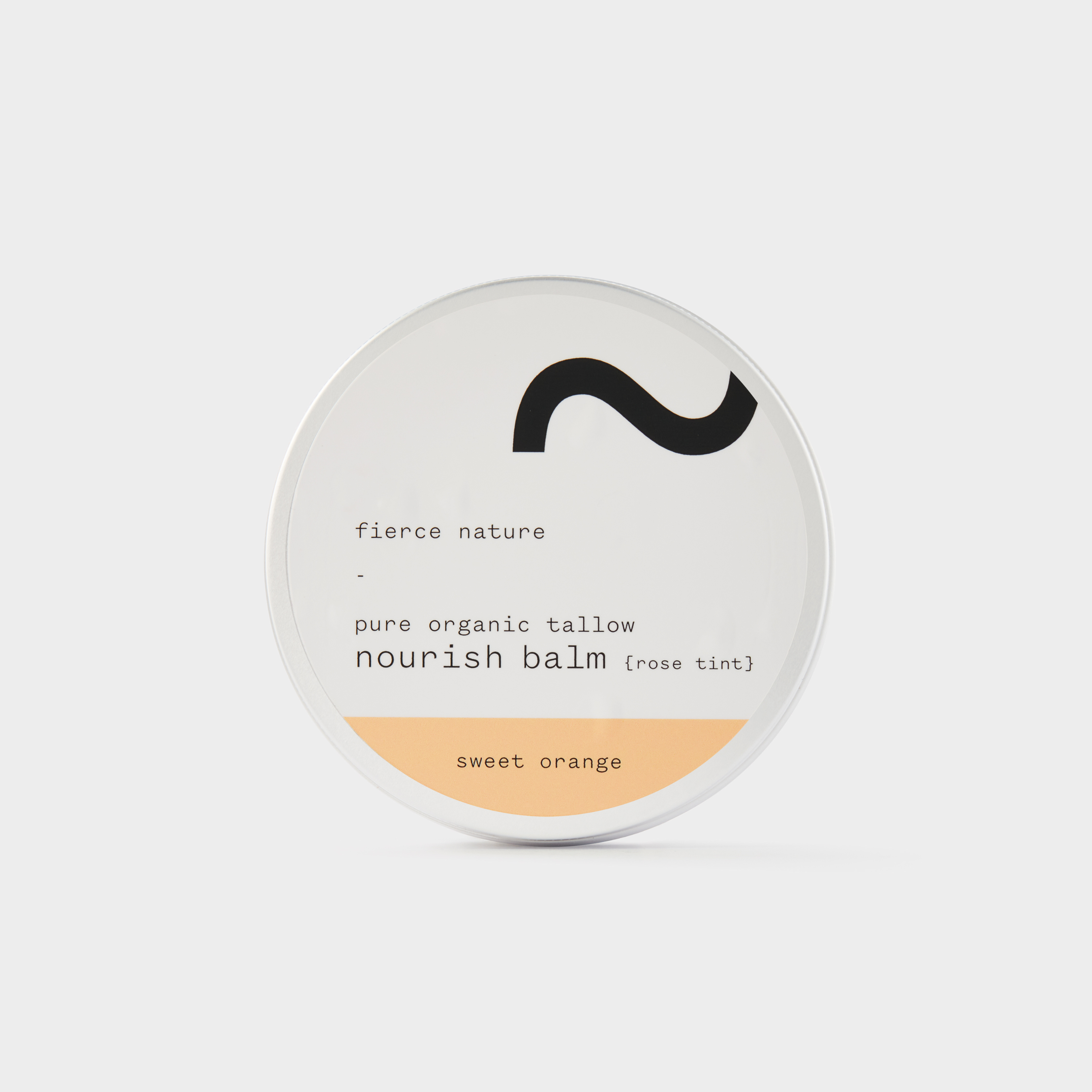
This brand’s catalogue covers most of what the checklist above asks for, without requiring a compromise between protection and comfort. Their New Sun Balm SPF 50+ PA++++ is suitable for genuinely sunny days, long walks, or holidays, since it covers the highest-exposure scenario the guidance above sets out. For everyday wear with a bit of colour, the Nourish Balm with Rose Tint (Sweet Orange) gives lips a hydrating, subtly tinted finish that works well layered under or after SPF on lower-exposure days. And for a natural lip and cheek tint that skips SPF altogether for evenings or indoor days, the Skin Tint (Cream Blush) rounds out a fuller natural routine.

None of these ask you to choose between nourishment and protection, because tallow is doing hydrating work underneath the mineral filter in every one of them, not sitting alongside it as an afterthought. If you want to browse the full range of tinted and functional balms before deciding, the nourish balms collection and skin tints range are both worth a look, alongside the face and body balms if your hydration needs go beyond your lips. Start with the New Sun Balm SPF 50+ product page to check current stock and pricing.
For most sensitive or reactive skin, yes. Mineral filters sit on the surface and physically block UV rather than being absorbed, which dermatology guidance links to lower irritation rates than chemical filters on delicate perioral skin.
SPF 30 with a genuine broad spectrum claim covers everyday, low-exposure days, while SPF 50+ is the better choice for extended outdoor time or for anyone with diagnosed daylight sensitivity. Fierce Nature’s New Sun Balm SPF 50+ PA++++ is built for that higher-exposure end of the scale.
It depends on your skin and your activity. Mineral filters generally win on comfort and tolerability for sensitive or daylight-sensitive skin, while some chemical formulas offer better water resistance for heavy swimming or sweating.
Most lifeguards and other people who spend entire days outdoors favour thick, high-SPF zinc oxide sticks precisely because the mineral film holds up under constant reapplication and heavy sweat exposure. The same logic applies to anyone spending a full day in direct sun: reapply a mineral formula generously and often rather than relying on a single morning application.
Yes, you can find gentle, coconut-oil-free bar soap, and the safest route is a short-ingredient, unscented bar made with tallow or olive oil rather than one making a “natural” claim on the front of the pack. Other good bases include rapeseed and shea. Read the INCI list before you buy, avoid “perfume” if you have a known sensitivity, and patch-test any new bar. An unscented tallow bar built for shoppers avoiding coconut oil is available from some makers.
TL;DR:
- Coconut derivatives in soap can be hidden under multiple names, making reading the ingredient list essential for verification.
- Tallow and olive oil bases are reliable, mild options suitable for sensitive skin, but check the INCI list to confirm absence of coconut oil.
- Sharing equipment during production can create cross-contact risks, so direct questions about manufacturing processes are crucial for safety.
- Coconut-free soaps often produce less foam and may feel creamier, with babassu and castor oils serving as common substitutes for coconut oil’s properties.
- Regularly reviewing full ingredient lists and asking sellers for confirmation ensures you avoid hidden coconut derivatives, especially if you have allergies.
The only reliable way to confirm a bar is coconut-free is to read its INCI list, the standardised ingredient names printed under the word “ingredients”. Coconut oil hides behind several names, so it helps to know what you’re scanning for: Cocos nucifera oil, sodium cocoate, sodium lauryl sulphate, sodium laureth sulphate, cocamidopropyl betaine and coco-glucoside are all coconut derivatives, even when the packaging never mentions coconut at all.
UK cosmetic labelling rules require ingredients to be listed in descending order by weight, with anything under 1% grouped afterwards in no particular order. That means a coconut derivative near the end of a long list is still there, just diluted. Fragrance is a separate problem: rules allow scent blends to be listed simply as “perfume” or “aroma”, which can mask dozens of individual compounds, including ones derived from coconut.
Small soap makers are permitted to skip a full label on the bar itself and instead supply the ingredient list on a leaflet, an attached tag or a notice near the display. That’s legal, but it puts the responsibility on you to ask for it if you don’t see it.
For a walkthrough of what each ingredient name actually means, our guide to reading cosmetic ingredient labels breaks it down section by section.
Pro Tip: Keep a note on your phone of the coconut-derivative names above so you can check a label in seconds, even in a shop with no signal.
Not all coconut-free soaps behave the same way on your skin, and the base fat or oil makes most of the difference.
A soap labelled “palm-free” is not automatically coconut-free, since some plant-based bases combine rapeseed with coconut oil in the same formula. Checking the actual INCI list remains the only dependable check.
The trade-off across all of these is consistent: the gentler and more conditioning a base is, the less it foams, and the more cleansing a bar feels, the more likely it relies on a detergent-style ingredient that can also irritate reactive skin. There’s no single “best” fat, only the right fit for your skin and your washing habits.
Specialist handmade-soap sellers and independent makers are, in practice, the most likely places to find full, published INCI lists, since they’re already working in small batches and used to disclosure. Larger commercial ranges sometimes list ingredients but rarely explain them, leaving you to do the decoding yourself.
Shopping in person and shopping online call for slightly different habits.
Our tallow soaps collection publishes full ingredient lists on every product page, which is worth using as a benchmark for what a transparent listing should look like.
One maker’s ethos is shaped by a personal history of unexplained skin reactions and research linking gut health, toxic load and skin sensitivity, leading to a standard that every ingredient should be nameable and every bar transparent about its contents.
Our soaps are handmade in the UK using organic tallow as the foundation, chosen because its fatty-acid profile is close to what your own skin produces. The unscented Multi-Use Tallow Bar and the Wonky Soap (Pack of 3) both list their full ingredients on the product page, so you can check for yourself rather than take our word for it. Our piece on why tallow suits sensitive skin covers the formulation reasoning in more depth.
If you’re switching to a tallow bar for the first time, patch-test on a small area of skin for a few days before using it on your face or body, and introduce it without other new products so you can judge the results clearly.
Even a genuinely coconut-free formula can pick up traces of coconut oil if it’s made on shared equipment, such as a mixing vessel, mould or cutting table also used for coconut-based bars. This is a manufacturing risk, not a formulation one, and it’s the reason a clean INCI list isn’t always the full picture for someone with a diagnosed allergy.
There is no formal “coconut-free” certification scheme in the way that, for example, organic certification works. Labelling rules require ingredients to be listed accurately, but they don’t require a maker to declare or test for cross-contact with allergens the way some food labelling does. That gap means the responsibility sits with you to ask directly.
If you have a diagnosed coconut allergy rather than a general sensitivity, ask the maker two specific questions: whether coconut-derived ingredients are used anywhere in their workshop, and whether equipment is dedicated or shared between batches. A maker willing to answer clearly and in writing is giving you a meaningful trust signal, regardless of what’s printed on the wrapper. For anyone with a history of severe reactions, this conversation matters more than any single ingredient name.
Coconut-free bars tend to suit people whose skin reacts to strong detergent-style cleansers, since coconut-derived ingredients like sodium cocoate and sodium lauryl sulphate are effective cleansers but can strip natural oils more aggressively than gentler bases.
People managing eczema, dermatitis or generally dry, reactive skin often do better with a low-detergency, high-conditioning bar such as a tallow or olive-oil formula, since these leave more of the skin’s natural barrier intact. Anyone with a diagnosed coconut allergy needs coconut-free soap as a matter of safety rather than preference, which makes label reading non-negotiable rather than optional.
Fragrance-sensitive skin benefits from pairing a coconut-free base with an unscented formulation, since removing both variables at once makes it much easier to identify what, if anything, still causes irritation. Our guide to fragrance-free options goes into more detail on when unscented is worth prioritising over scented “natural” claims. Even people without a specific sensitivity sometimes simply prefer the slower, creamier lather that conditioning-forward bases produce over a foamy commercial bar.
Coconut oil earns its place in conventional soap recipes because it produces a big, fluffy lather and a hard, long-lasting bar, so any substitute has to solve for both properties, not just one.
Palm kernel oil is a common commercial substitute, though it carries its own sustainability concerns and isn’t automatically gentler on skin. Babassu oil is often used as a direct swap because it produces a similar lather and hardness profile without coming from coconut, making it popular in “coconut-free” formulations aimed specifically at sensitive skin. Castor oil in small proportions boosts lather stability in an otherwise low-foam recipe, such as an olive-oil-based bar, without adding harshness. Sodium citrate and rice bran oil are sometimes used in small amounts to improve bar hardness and shelf life in coconut-free recipes.
None of these fully replicates coconut oil’s exact lather, and that’s the honest trade-off: a coconut-free bar may feel creamier and less foamy, particularly with tallow or olive-oil bases, in exchange for being gentler on reactive skin. If a big lather matters to you, look for a coconut-free bar that lists babassu or castor oil rather than assuming any “natural” bar will foam the same way.
The word “natural” has become close to meaningless on soap packaging, and that’s the single biggest thing worth unlearning. A bar can be entirely plant-derived and still contain coconut oil, still foam aggressively, and still irritate the exact skin it claims to soothe.
The conventional advice to “look for natural ingredients” undersells the actual skill involved, which is reading an INCI list critically and knowing which derivative names to distrust. Palm-free doesn’t mean coconut-free. Fragrance-free sometimes still means a hidden allergen tucked inside “perfume”. Even a short ingredient list needs checking, not assuming.
What we’d prioritise first, before brand reputation or price, is the habit of checking the list every time, including on repeat purchases, since formulations do change. A maker who answers questions about shared equipment and ingredient sourcing without hesitation is worth more than any front-of-pack claim. That habit will serve you longer than any single brand recommendation ever could.
— Fierce Nature
If you’d rather skip the label-detective work altogether, we’ve already done it for you. Our Multi-Use Tallow Bar (Unscented) is built entirely around tallow with no coconut derivatives and no added fragrance, making it suited to face, body and even shaving for people who want one bar that does everything gently. The Wonky Soap (Pack of 3) offers the same tallow-based formulation in a multi-pack, a practical way to trial coconut-free washing without committing to a single bar.
Visit the tallow soaps collection to view ingredient lists side by side and pick the bar that fits your skin.
Bars made primarily from tallow, olive oil, shea butter or rapeseed oil are typically coconut-free, though the only certain way to confirm it is checking the INCI list on each specific product. Our unscented Multi-Use Tallow Bar is one example built entirely without coconut derivatives.
Look for bars that state both “palm-free” and list their full INCI, since some palm-free melt-and-pour bases still contain coconut oil in the blend. Specialist handmade-soap makers who publish complete ingredient lists are generally the most reliable source, and checking the list yourself remains the deciding step.
Rather than relying on brand names alone, check each product’s INCI list for Cocos nucifera oil, sodium cocoate or related derivatives, since formulations can change between batches. Fierce Nature’s tallow-based bars, including the Wonky Soap (Pack of 3), are formulated without coconut oil and list their ingredients on the product page.
Tallow, olive oil and babassu oil are common substitutes, each solving for a different property: tallow and olive oil for conditioning and gentleness, babassu for maintaining a coconut-like lather and hardness. The right choice depends on whether you’re prioritising skin comfort or a foamier wash.
Home soap makers typically substitute tallow, olive oil or a rapeseed-based glycerine base for coconut oil, adjusting quantities since each fat behaves differently for hardness and lather. Anyone attempting this with a genuine coconut allergy should double-check every other ingredient’s INCI name for hidden derivatives before use.
The fastest way to calm winter itch is to apply a leave-on emollient to damp skin straight after washing, then keep using it daily rather than only when your skin flares. For sudden itching, a cool compress and a lukewarm shower work quickly. The habit that keeps winter itch away for good is regular emollient use paired with a few simple changes to your home and washing routine.
TL;DR:
- Regular application of a leave-on emollient immediately after bathing significantly reduces winter itch and prevents flare-ups if maintained daily.
- Using a humidifier and switching to fragrance-free detergents help maintain skin hydration and minimize irritation caused by indoor heating and harsh washing routines.
- Short, lukewarm showers combined with cooling compresses and avoiding hot water or soap-based cleansers provide quick relief from sudden itching episodes.
- Signs such as spreading redness, weeping, or cracking that causes pain require medical assessment, with corticosteroids and prescription emollients often recommended.
- Incorporating tallow-based balms can reinforce the skin barrier, with unscented formulas preferred for sensitive skin, and applying them overnight for optimal absorption.
Winter itch, known clinically as xerosis, is the dry, flaky, sometimes cracked skin that appears when the air turns cold and dry. It tends to show up on the legs, arms and trunk first, where natural oils are thinner and skin has less protection.
A few things conspire against your skin barrier at this time of year. Central heating and cold outdoor air both pull moisture from the skin, hot showers strip away natural oils, and strong detergents or wool fabrics add friction and irritation on top. Skin barrier function also changes with age, which is why winter itch tends to hit harder as the years go on.
You will usually notice:
Watch for signs that point to something beyond simple dryness: spreading redness, weeping or crusted patches, or skin that feels hot to the touch. These can suggest infection or an eczema flare that needs a different approach than moisturising alone.
When the itch strikes, the order you do things in matters. Here is a practical sequence:
Pro Tip: Keep a small emollient tub or balm by the shower so you never miss the damp-skin window after washing.
Emollients work as maintenance therapy, not a rescue remedy, so the biggest gains come from using one every day rather than only during a flare. Swapping soap for an emollient wash and applying a leave-on product straight after is the simplest habit to build.
A handful of home changes make a real difference too:
Hands take a particular beating in winter from washing and cold air, so keep a hand balm at every sink. It is also worth considering the NHS’s winter guidance on vitamin D, since sunlight is not strong enough between October and early spring for the body to make what it needs, and skin health benefits from good overall nutrition and hydration alongside topical care.
One small but important habit: always scoop moisturiser out with a clean spatula rather than fingers. It sounds fussy, but repeated finger contact with a shared tub is a genuine route for bacteria to multiply in the product, which then goes straight onto broken or irritated skin.
Pro Tip: Keep two pots on the go, one for hands by the sink and one for the body by the shower, so hygiene never gets in the way of consistency.
Most winter itch settles with consistent moisturising and the home changes above, but some signs mean it is time to get it checked rather than push on alone.
A GP will often start with a topical corticosteroid for inflamed patches, alongside a prescription-strength emollient to use daily once things calm down. For itching concentrated in one area, a menthol-containing cream may be suggested for short periods under supervision, and a short trial of antihistamines is sometimes used to help with sleep when night-time itching is the main problem. Tablets and other systemic medicines are not typically needed for straightforward winter itch, since it usually responds to topical care. If symptoms persist despite this, a GP may refer on to a dermatologist for further assessment.
Tallow is a lipid-rich emollient, and its fatty acid profile is close to what your skin already produces, which is why we designed Fierce Nature’s balms around it as a way to help rebuild the skin barrier and hold moisture in rather than just sitting on the surface.
A few notes on getting the most from a tallow balm this winter:
Our winter skincare guide and our piece on why tallow works go into more detail on choosing the right product for your skin.
Many people with sensitive skin find relief by applying a simple, consistent emollient every day, not just during flare-ups.
Three habits that often help include moisturizing on damp skin within minutes of washing, using products simple enough to maintain consistent use, and treating winter skincare as ongoing maintenance rather than a quick fix.
For sensitive or reactive skin, start with the Nourish Balm (Unscented) as your daily leave-on emollient, since it carries no fragrance to add to already irritated skin. If you prefer a solid format over a jar, the Multi-Use Tallow Bar (Unscented) works well for overnight or intensive repair on elbows, knees and shins.
Browse the full Nourish Balms Collection to find the texture that matches your skin this winter.
For further reading on emollient use, menthol-containing treatments, and botanical antipruritic research, NHS, British Association of Dermatologists and primary care formulary guidance are good starting points.
Itching is not typically caused by a single vitamin deficiency, though very low vitamin D during winter months is worth addressing as part of general skin health. The NHS recommends considering a daily vitamin D supplement in autumn and winter since sunlight alone is not enough at that time of year.
No fruit is established as a direct itch treatment. Some botanical ingredients, including aloe vera, have shown antipruritic potential in early research, but evidence remains limited and dosing is not standardised.
A cool compress or a short, lukewarm shower calms itching fastest by soothing the nerve endings involved. Following straight away with a leave-on emollient on damp skin then locks in moisture and prevents the itch returning as quickly.
There is no specific drink proven to relieve itchy skin, though staying well hydrated supports overall skin condition through winter. Herbal teas such as chamomile are sometimes used for their calming properties, though this is not a substitute for topical care.
If you’re ready to move away from heavy foundation, the fastest route is a sheer skin tint or tinted balm, worn with concealer only where you need it. This combination gives you even, glowing skin without the mask-like finish, and it lets your skin breathe. Choosing formulas with fewer synthetic fillers and more hydrating, non-toxic ingredients means your skin gets nourished, not just covered.
TL;DR:
- Lightweight tints and balms are best for natural, barely-there coverage that allows the skin to breathe and suit everyday wear.
- Applying tinted SPF requires following product-specific instructions to ensure proper sun protection rather than relying solely on the tinted layer.
- Targeted spot concealing preserves skin texture and avoids the flat appearance caused by full-coverage products, especially on healthy-looking areas.
- Proper removal with a gentle balm or oil-based cleanser followed by water-based cleansing is essential to maintain skin health after light coverage.
- Seasonal changes dictate the choice of product, with lighter formulas favored in summer and more emollient, balm-based tints suitable for dry winter skin.
Heavy foundation was built for full coverage, but most of us don’t need that every day. Understanding what each lighter category actually does helps you pick the right one for your skin and your morning.
Skin tints and tinted balms sit closest to your natural skin, offering a wash of colour rather than a mask. They tend to melt into the skin rather than sit on top of it, which is why they suit anyone chasing a barely-there look. Our own Skin Tint (Light Coverage), Skin Tint (Cream Blush) and Skin Tint (Warm Coverage) fall into this category, each offering a different depth of colour while keeping the finish soft rather than flat.
Tinted moisturisers and BB or CC creams blend skincare and colour in one step. They usually carry more hydrating ingredients than traditional foundation and give a dewier finish, making them a good fit for dry or normal skin that wants a touch of glow alongside light coverage. Editorial testing has found that many modern lightweight formulas now include actives such as hyaluronic acid or niacinamide, which help hydration sit alongside sheer coverage rather than compete with it.
Tinted sunscreens combine sun protection with a light wash of colour, but treat the SPF claim on its own terms. A thin, cosmetic layer of tinted sunscreen is not guaranteed to give you the same protection as a dedicated sunscreen applied at the recommended amount, so follow the product’s own directions rather than assuming your tint has you covered.
Spot concealing is often the missing piece for people who think they need full coverage. Instead of applying product everywhere, target only what needs attention: a blemish, a shadow under the eyes, a patch of redness. This keeps your natural skin texture visible and avoids the flat, poreless look that heavier products can create.
Light powders, used sparingly, can control shine on an oily T-zone without adding another layer of colour. A small amount pressed only where needed does the job without contributing to a cakey finish.
You can read more about how these formulas compare in our guide to skin tints for a natural glow.
Getting a natural result isn’t about using less product randomly. It’s about layering the right things in the right order, starting with well-prepped skin.
For balm-based tints, fingers give you the warmth and control you need. For liquid tints, a damp sponge helps distribute colour evenly without soaking it up. Avoid heavy coverage across your cheeks and forehead where your natural texture already looks healthy, and save your effort for areas that genuinely need it.
On rushed mornings, skip the concealer step entirely and let the tint do the work alone. If your T-zone gets oily by midday, a light powder touch-up beats reapplying tint on top of tint.
Pro Tip: Mix a drop of your tint with a little moisturiser on the back of your hand before applying: it stretches the product further and softens the finish even more.
Front-of-pack words like “clean” or “natural” are not regulated definitions, so they can’t tell you much on their own. UK cosmetic law requires ingredients to be listed in descending order (known as the INCI list) and requires disclosure of certain fragrance allergens on leave-on products like foundation, tints and balms, which means the real information sits in that small-print list, not the packaging claim.
A few things worth watching for:
A single new product, introduced on its own for a few days, is the simplest way to catch a reaction before it spreads to your whole face. This is the same principle behind the patch testing used in dermatology, where a small amount of product is applied to a discrete area and monitored before wider use.
If you’re using a tinted SPF, don’t assume the sheer layer you’d normally apply for colour is enough for protection. Follow the packaging’s stated amount for sun protection, even if that means using more than your usual light touch. For a deeper look at ingredient literacy, our guide on what non-toxic skincare actually means and our checklist of ingredients to watch for go into more detail.
Fierce Nature grew out of a lifelong battle with skin rashes and reactions that mainstream cosmetics never explained. That experience shaped a simple rule: every ingredient earns its place, and nothing hides behind a fragrance blend.
Tallow has been used for generations as an emollient because it works with skin rather than sitting on top of it, and its bioavailability is part of why we built our formulas around it. Some skin tints carry a tallow base. There are also luxe balms and nourish balms that serve as tinted balm alternatives for a dewier finish, and multi-use tallow bars that work as nourishing bases beneath them.
Even sheer coverage needs proper removal, and skipping this step undoes a lot of the hydration work you did that morning.
Start with a gentle cleansing balm or oil-based cleanser to break down tint and balm pigments, which tend to bind more closely to skin than heavier silicone-based foundations. Massage it in dry for thirty seconds or so before adding water, letting it emulsify and lift product away rather than scrubbing it off.
Follow with a gentle water-based cleanser to clear any remaining residue, particularly if you’ve worn a tinted SPF, since sunscreen filters can be more stubborn than colour alone. A muslin cloth or soft flannel helps lift product from texture and pores without the friction of rubbing with your hands.
Avoid reaching for harsh micellar waters or alcohol-based wipes as your only step. They can leave a film behind that clogs pores overnight, undoing the barely-there benefit you chose the tint for in the first place. A proper cleanse, followed by your usual nighttime moisturiser, keeps the skin barrier settled and ready for the next day’s light layer. For sensitive skin, choosing the right cleanser matters as much as choosing the right tint, and our guide to chemical-free cleansers for sensitive skin covers this in more depth.
Your skin’s needs shift with the seasons, and your base product should shift with them.
In warmer months, heat and humidity make heavier formulas more likely to slide or separate, so a lightweight tint with a matte or semi-matte finish tends to hold up better through the day. Oil control becomes more of a priority, which is where a light powder touch-up on the T-zone earns its place. Tinted SPF also becomes more of a daily habit than an occasional extra, given how much more sun exposure summer routines involve.
In colder months, skin often turns drier and more prone to flaking, which is exactly when a heavier foundation can look patchy and emphasise texture it should be smoothing over. A balm-based tint with more emollient qualities, layered over a richer moisturiser, tends to sit better on drier winter skin. This is also the season where skipping powder altogether and leaning on hydration instead often gives the most natural finish.
For everyday wear, humid days, workouts or simply days when your skin needs a break, lightweight tints and balms outperform heavier foundation every time. Save fuller coverage for events or photography where every mark needs concealing on camera.
The real win is treating coverage as one part of skin health, not the whole goal.
— Fierce Nature
If you’re ready to try a lighter routine, our Skin Tint (Light Coverage), Skin Tint (Cream Blush) and Skin Tint (Warm Coverage) each give you sheer, tallow-based colour without synthetic fillers. Our Luxe Balm and Nourish Balms work as tinted balm alternatives for a dewier finish, and every formula is worth patch-testing before daily use.
Browse the full Skin Tints collection to find your match.
GOV.UK cosmetic labelling rules, NHS patch-testing guidance and dermatology advice on acne-safe makeup informed this piece.
A sheer skin tint or tinted balm paired with concealer where needed is the most practical substitute, since it gives you even tone without a heavy layer. Tinted moisturisers and BB or CC creams work well too, particularly for drier skin needing extra hydration.
You can use a tinted balm, a skin tint, a BB or CC cream, or simply a moisturiser followed by concealer on the areas that need it. Each option leaves more of your natural skin texture visible than traditional foundation.
Skin tints, tinted balms, tinted moisturisers, BB and CC creams, and tinted sunscreens are the main lightweight alternatives worth trying. Dermatologists also suggest a targeted concealer-only approach for people who mainly want to cover specific marks rather than their whole face.
Look for lightweight tints or balms formulated with hydrating actives rather than heavy silicones or waxes, since these tend to sit closer to the skin. Our tallow-based Skin Tints are designed with this hydration-first approach, and patch-testing any new formula first helps confirm it suits your skin before daily use.